
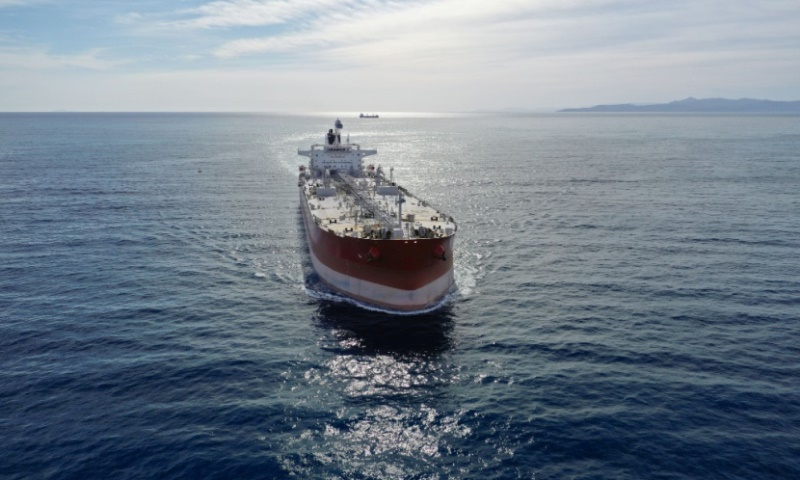
A very large crude carrier (VLCC) carrying Iranian oil is approaching India’s eastern seaboard, signalling what could be the country’s first import of crude from Tehran in nearly seven years, according to ship tracking data and trade sources.
The vessel, Jaya, sailing under the Curacao flag, was tracked moving from the Strait of Malacca into the Andaman Sea over the weekend, passing close to the Andaman and Nicobar Islands. It has since crossed the island chain and is currently navigating the Bay of Bengal, sources familiar with the development said.
Shipping data indicates that the tanker is likely headed towards a port on India’s east coast, with Paradip being cited by trade sources as a probable destination. The cargo is expected to be discharged for state-run Indian Oil Corporation (IOC) later this week.
Waters around the Strait of Malacca, particularly near Malaysia, have long served as a holding area for tankers carrying Iranian crude, especially during periods of sanctions-related restrictions and logistical uncertainty.
India has not imported oil from Iran for close to seven years, following U.S. sanctions that disrupted longstanding energy trade between the two countries. The arrival of this cargo, if completed, could signal a tentative resumption of such imports amid evolving geopolitical and market conditions.
The development comes at a time when global oil supply chains are undergoing shifts due to geopolitical tensions and supply disruptions, prompting refiners to explore alternative sourcing options. Industry observers say any sustained resumption of Iranian crude imports would depend on policy clarity, sanctions environment, and commercial viability.