
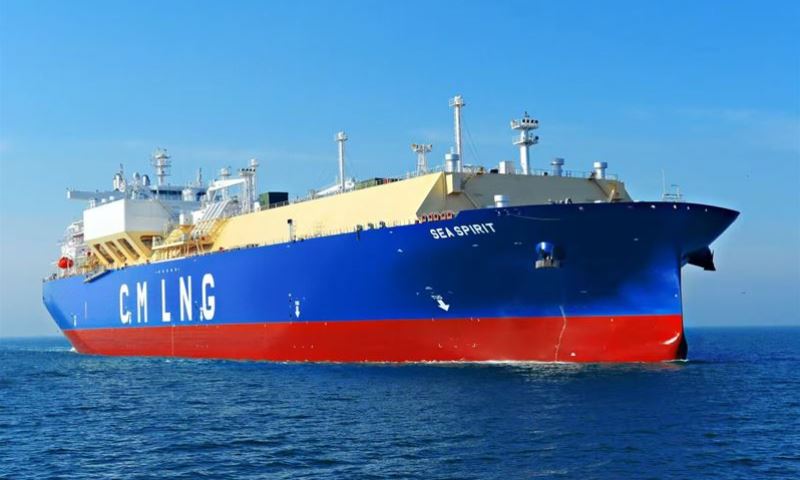
India increased its liquefied natural gas (LNG) imports from the United States, Oman, and Nigeria in March as shipments from traditional suppliers such as Qatar and the United Arab Emirates declined amid tightening regional supply conditions and shifting contract flows.
The rebalancing of import sources highlights India’s growing focus on energy security and diversification of supply amid volatility in global LNG markets. Spot cargo availability and pricing dynamics also influenced procurement decisions during the month.
Industry sources said LNG imports from the US and West Africa rose as traders redirected cargoes to meet Asian demand, while maintenance cycles and contractual adjustments contributed to lower volumes from Gulf exporters.
India, one of the world’s fastest-growing LNG importers, continues to expand its regasification capacity and long-term supply agreements to meet rising industrial and power sector demand.
Energy analysts noted that diversification reduces dependency risks but may expose buyers to greater price fluctuations in the short term, especially in a tight global LNG market. The trend is expected to continue as India balances affordability, supply security, and long-term contract commitments.