
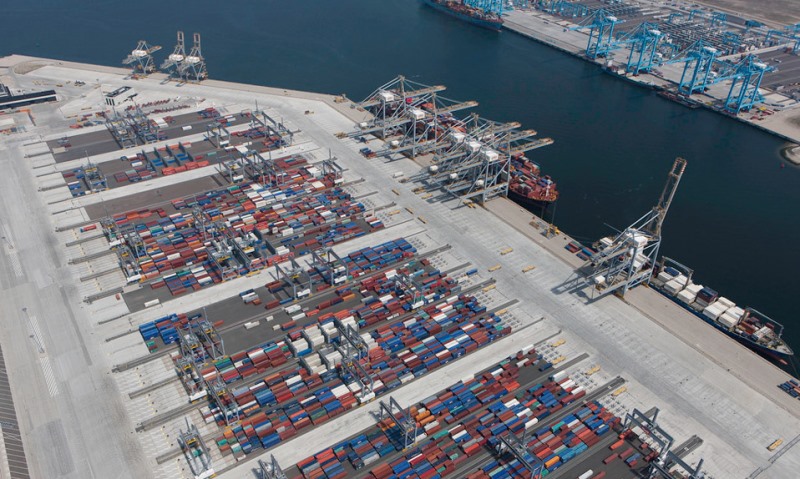
Port of Rotterdam has successfully completed its first ethanol bunkering operation for a sea-going vessel, marking another milestone in the maritime industry’s transition toward lower-emission alternative fuels.
The operation involved supplying ethanol as marine fuel to an ocean-going ship at the port, demonstrating the feasibility of handling and delivering alternative clean fuels within one of Europe’s busiest maritime hubs. Industry stakeholders described the development as an important step in expanding fuel options for decarbonising global shipping.
Port authorities said the successful bunkering operation reflects Rotterdam’s broader strategy to strengthen its position as a leading hub for sustainable marine fuels, including LNG, biofuels, methanol, hydrogen, ammonia, and ethanol. The port has been investing heavily in infrastructure and regulatory frameworks to support the shipping industry’s energy transition.
Ethanol is increasingly being explored as a potential low-carbon marine fuel because of its cleaner combustion profile and compatibility with evolving dual-fuel engine technologies. Shipping companies are assessing multiple alternative fuel pathways as they work toward meeting international emissions reduction targets set by the International Maritime Organization.
Industry analysts noted that the introduction of ethanol bunkering could provide shipowners with additional flexibility as the sector navigates fuel transition challenges, regulatory uncertainty, and the need for scalable low-emission solutions.
The Port of Rotterdam has been at the forefront of maritime decarbonisation initiatives and continues to attract investments in green fuel production, storage, and distribution infrastructure. The port is also collaborating with energy companies, shipowners, and technology providers to accelerate adoption of sustainable shipping fuels.
The successful operation is expected to encourage further trials and commercial deployment of ethanol-powered shipping solutions as global ports and shipping lines continue exploring cleaner alternatives to conventional marine fuels.