
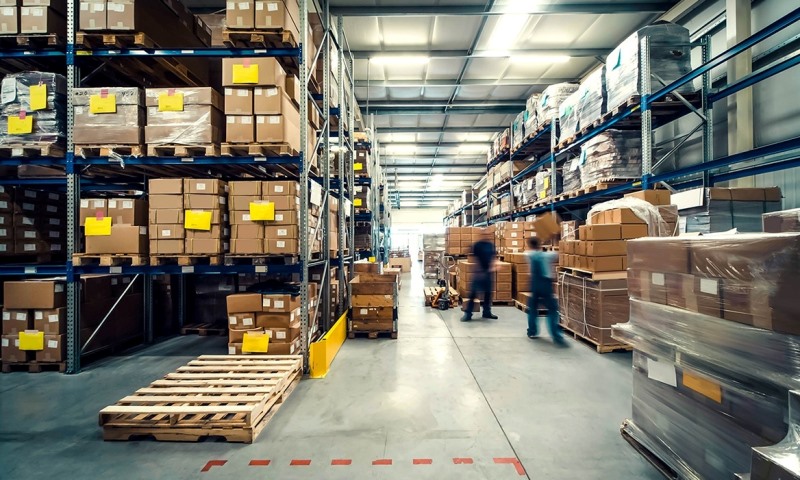
Bengaluru’s logistics and industrial landscape has received a significant boost with the addition of a new warehousing facility, further reinforcing the city’s position as one of southern India’s leading distribution and supply chain hubs.
The new warehouse is expected to enhance storage and distribution capacity, enabling faster and more efficient movement of goods across Karnataka and neighbouring states. The development comes amid growing demand for Grade A warehousing from retailers, manufacturers and e-commerce companies looking to strengthen regional supply chains and improve inventory management.
Industry experts said the expansion reflects the broader transformation of India’s organised logistics sector, where businesses are increasingly investing in larger, technology-enabled warehouses to improve operational efficiency, reduce turnaround times and meet evolving consumer expectations.
Bengaluru continues to attract warehousing investments owing to its robust road connectivity, proximity to major manufacturing and technology clusters, skilled workforce and expanding consumer market. These factors have positioned the city as a preferred logistics destination for industries including retail, apparel, electronics, pharmaceuticals and healthcare.
Beyond improving supply chain efficiency, modern warehousing developments are expected to generate significant economic benefits. New logistics facilities create employment opportunities in warehousing, transportation, inventory management, automation and digital supply chain operations, while also driving demand for industrial parks, freight infrastructure and commercial real estate.
Experts emphasise that future warehouse developments should incorporate sustainable design and green infrastructure. Energy-efficient buildings, rooftop solar power systems, rainwater harvesting, waste management solutions and electric vehicle charging facilities are increasingly becoming integral components of modern logistics parks as companies work towards reducing supply chain emissions.
Industry stakeholders also stress the importance of strengthening multimodal connectivity. Better integration of highways, rail freight terminals, airports and inland logistics hubs will help lower transportation costs, improve delivery reliability and reduce urban freight congestion.
The latest expansion underscores Bengaluru’s growing importance in India’s logistics and warehousing ecosystem. As companies continue to diversify distribution networks and establish regional fulfilment centres, demand for advanced warehousing infrastructure is expected to remain strong across the city’s key industrial and commercial corridors.
Looking ahead, experts believe sustained growth in Bengaluru’s warehousing sector will depend on continued investments in transport infrastructure, digital logistics technologies and sustainable industrial development, ensuring the city remains a resilient and future-ready logistics hub.