
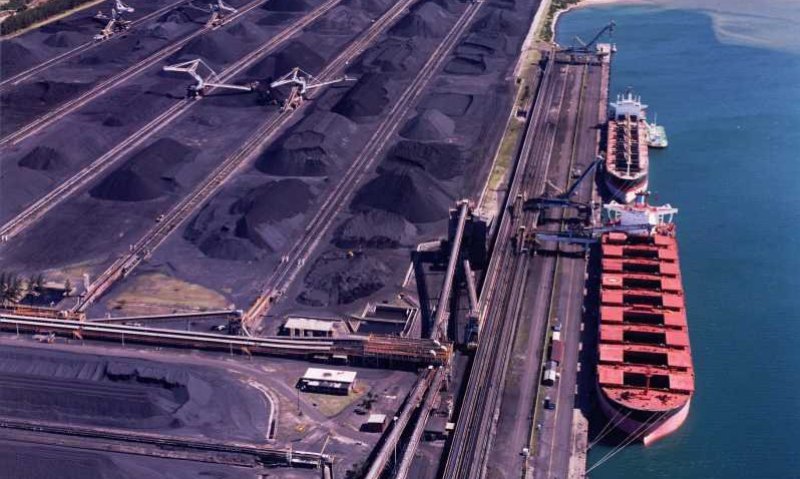
India’s transition toward green steel production could significantly reduce the country’s dependence on imported coal and generate long-term economic benefits, with industry estimates suggesting potential savings of more than ₹100 lakh crore in coal imports over the coming decades.
Green steel refers to steel produced using low-carbon technologies and cleaner energy sources, including renewable power, green hydrogen and electric arc furnaces. The shift is gaining momentum as governments and industries worldwide seek to decarbonize heavy manufacturing sectors and meet climate commitments while maintaining industrial growth.
India is currently one of the world’s largest steel producers and consumers of coking coal, a key raw material used in conventional blast furnace-based steelmaking. Despite having substantial coal reserves, the country relies heavily on imports to meet the quality requirements of its steel industry, making it vulnerable to global price fluctuations and supply disruptions.
Industry experts believe that wider adoption of green steel technologies could substantially reduce the need for imported coking coal. By replacing coal-intensive production methods with hydrogen-based direct reduced iron (DRI) processes and renewable energy-powered manufacturing, the sector can lower both emissions and import dependency.
The potential savings from reduced coal imports could strengthen India’s trade balance, improve energy security and support the country’s broader goals of achieving sustainable industrial growth. Reduced reliance on imported fossil fuels would also help shield domestic manufacturers from volatility in international commodity markets.
India has already begun laying the groundwork for a greener steel sector through policy initiatives, pilot projects and investments in renewable energy and green hydrogen infrastructure. Several leading steelmakers are exploring low-carbon production technologies and partnerships aimed at accelerating the transition to cleaner manufacturing processes.
However, industry stakeholders note that large-scale adoption of green steel will require significant investments in infrastructure, affordable renewable energy, hydrogen production capacity and supportive regulatory frameworks. Technology costs and financing remain key challenges that must be addressed to ensure the commercial viability of green steel production.
As global demand for low-carbon materials grows, green steel is expected to play an increasingly important role in enhancing the competitiveness of Indian steel exports. Beyond environmental benefits, the transition offers a strategic opportunity to reduce coal import dependence, strengthen industrial resilience and position India as a leading producer of sustainable steel in the global market.