
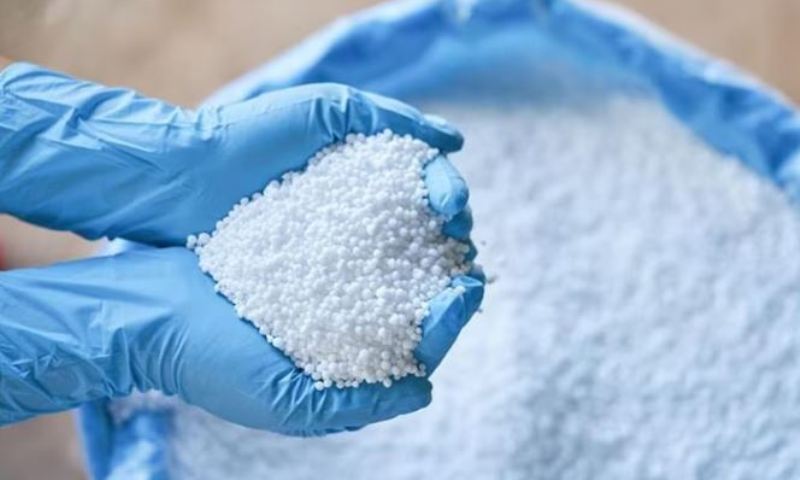
India is broadening its urea import sources as geopolitical disruptions in West Asia create uncertainty around global fertiliser supplies and shipping routes. The move is aimed at ensuring adequate availability of urea for farmers, particularly ahead of periods of higher seasonal demand.
Recent shipments have included supplies from countries such as Russia, Egypt, Qatar and Nigeria, while official trade data show India has also sourced urea from Algeria, Georgia and several other markets.
India remains dependent on imports to supplement domestic urea production. Government data showed that between October 2025 and March 23, 2026, urea availability stood at 250.26 lakh metric tonnes against a pro-rata requirement of 192.20 lakh metric tonnes. Stocks at the end of the period were 53.08 lakh metric tonnes.
Diversifying supply sources
The expansion of sourcing reflects India’s effort to reduce dependence on a limited number of suppliers and maintain a more resilient fertiliser supply chain. Algeria, Egypt, Georgia and Nigeria are among the alternative sources that have supplied urea to India in recent years.
The strategy has become more important amid disruptions affecting energy and shipping markets in the Middle East. Urea production is closely linked to natural gas availability, while international transportation disruptions can increase both freight costs and delivery times.
Imports support domestic availability
India’s government has repeatedly emphasised the importance of maintaining sufficient fertiliser stocks to meet agricultural requirements. The country has also been pursuing longer-term arrangements for imported fertilisers to strengthen supply security.
In March, around one million tonnes of urea had reached Indian ports since the beginning of the West Asia conflict, with cargoes coming from multiple countries. These shipments provided a temporary buffer, although additional imports were expected to be necessary ahead of the monsoon season when agricultural demand typically increases.
Focus on supply security
By widening its supplier base, India is seeking to reduce the impact of geopolitical risks, production disruptions and freight volatility on fertiliser availability. The approach also provides greater flexibility for importers to switch between supplying countries when prices, shipping conditions or availability change.
With urea playing a critical role in India’s agricultural sector, continued diversification of import sources is expected to remain an important part of the country’s fertiliser supply strategy. The government is likely to keep monitoring international markets and arranging additional cargoes to ensure farmers have adequate supplies during key cultivation seasons.