
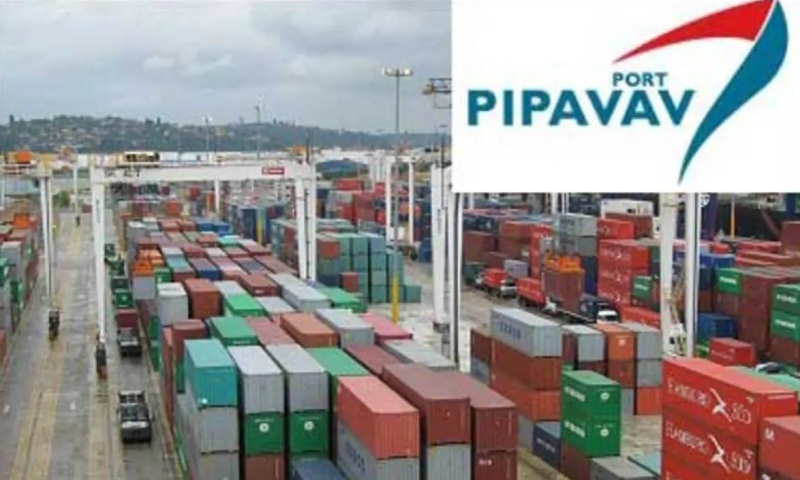
Gujarat Pipavav Port is expecting a significant decline in container volumes as shipping services to West Asia remain disrupted, with the impact potentially extending through the financial year 2026-27.
The port could face a loss of around 80,000 TEUs if services to key West Asian markets remain suspended for an extended period. The disruption is linked to continued security concerns and operational challenges affecting shipping movements in the region.
West Asia is an important trade corridor for containerised cargo moving through Indian ports. Prolonged suspension of services could therefore affect cargo flows, vessel calls and transshipment-linked volumes at Pipavav.
The expected reduction comes as shipping lines continue to review their network deployments and routing decisions amid uncertainty in the region. Extended diversions or service suspensions could result in lower container throughput and put pressure on the port’s volume growth during FY27.
Despite the expected impact from West Asia, Gujarat Pipavav Port is likely to remain focused on maintaining cargo volumes from other key trade lanes. Diversification across markets and cargo segments could help partially offset the loss if disruptions continue.
The situation will depend largely on the restoration of regular shipping services to West Asia. A prolonged disruption through FY27 could weigh on Pipavav’s container volumes, while an earlier normalisation of trade routes could limit the anticipated 80,000-TEU impact.