
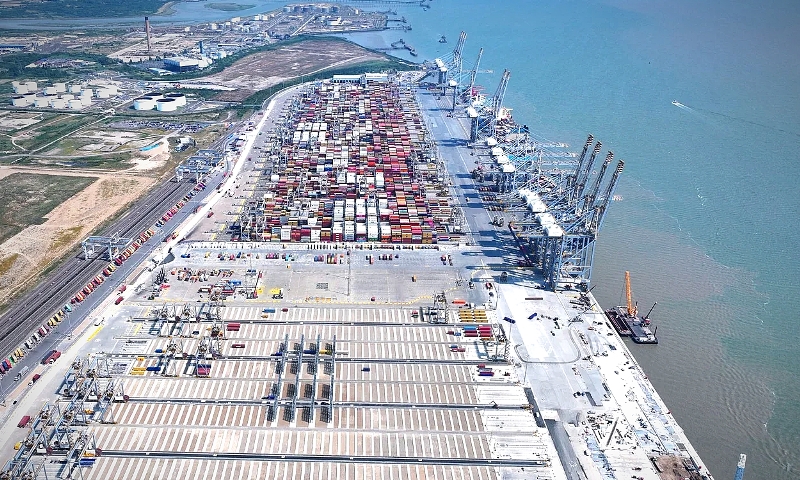
London Thamesport has reduced its Emergency Fuel Fee for August, providing some relief to shipping customers as fuel-related operating costs ease from earlier elevated levels.
The adjustment reflects changes in fuel expenses associated with terminal and maritime operations. Emergency fuel-related charges are typically introduced or adjusted when sharp movements in energy prices increase the cost of operating vessels, equipment and other port infrastructure.
The lower August fee is expected to reduce the additional cost burden on carriers and cargo interests using Thamesport. While the reduction may be relatively modest on an individual shipment basis, it could provide savings for customers moving larger container volumes through the facility.
Fuel costs remain an important component of the overall cost of container transportation and port operations. Changes in bunker and energy prices can influence shipping-line expenses, which may subsequently be reflected in temporary surcharges and other cost-recovery measures.
The latest adjustment also provides an indication that fuel-related cost pressures are becoming more manageable compared with the period when the emergency charge was introduced. However, energy markets remain sensitive to geopolitical developments, supply disruptions and changes in global demand.
London Thamesport continues to serve as an important container gateway for the UK market, supporting cargo movements between international shipping networks and the country’s inland distribution system.
The reduced emergency fuel fee will apply during August, with future charges likely to be reviewed according to prevailing fuel costs and operating conditions.
For shipping lines, importers and exporters, the lower surcharge should help improve cost predictability for cargo moving through Thamesport during the month. Further adjustments will depend on developments in fuel prices and the broader operating environment.