
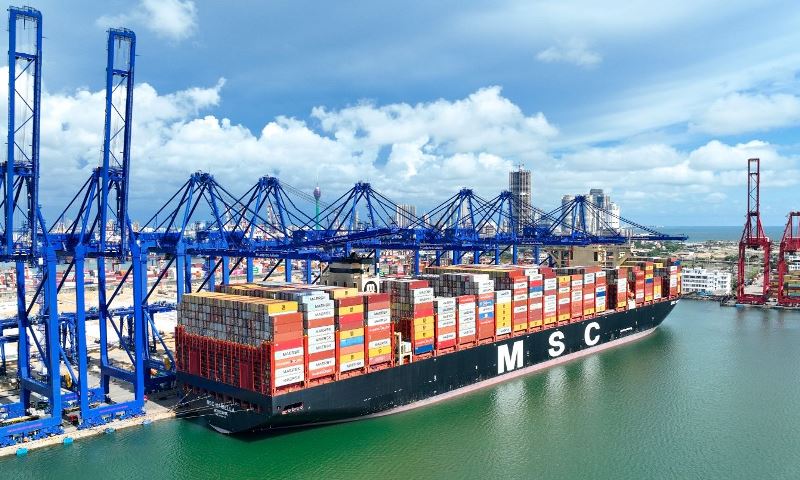
Colombo is emerging as an increasingly important transshipment hub for India–US container trade as carriers and shippers adjust their routing strategies amid changes in global shipping networks.
Sri Lanka’s Colombo Port has long served as a regional transshipment gateway, handling cargo moving between the Indian subcontinent and major international markets. Its location close to India’s southern coastline makes it a key connection point for container services.
The growing use of Colombo for India–US cargo reflects changes in carrier networks, vessel deployments and service patterns. Cargo originating from or destined for Indian ports can be connected through Colombo before continuing on long-haul services to the United States.
For Indian exporters and importers, transshipment through Colombo can provide access to a wider range of mainline services. However, routing changes can also affect transit times, connection reliability and overall logistics costs.
The development comes as shipping lines continue to adjust their networks in response to changing demand, vessel capacity and operational conditions. Carriers are reviewing port rotations and feeder connections to optimise their services across major trade lanes.
Colombo’s role is also being strengthened by ongoing investment in container terminal infrastructure and handling capacity. The port’s strategic position in the Indian Ocean allows it to serve as a connecting point for cargo from South Asia and other regional markets.
For shippers moving cargo between India and the US, changes in transshipment patterns make it increasingly important to monitor carrier schedules and port rotations. The choice between direct and transshipment services can influence both transit planning and supply-chain reliability.
As carrier networks continue to evolve, Colombo is expected to remain an important transshipment option for India-linked international cargo, particularly on routes connecting Indian ports with distant markets such as the United States.