
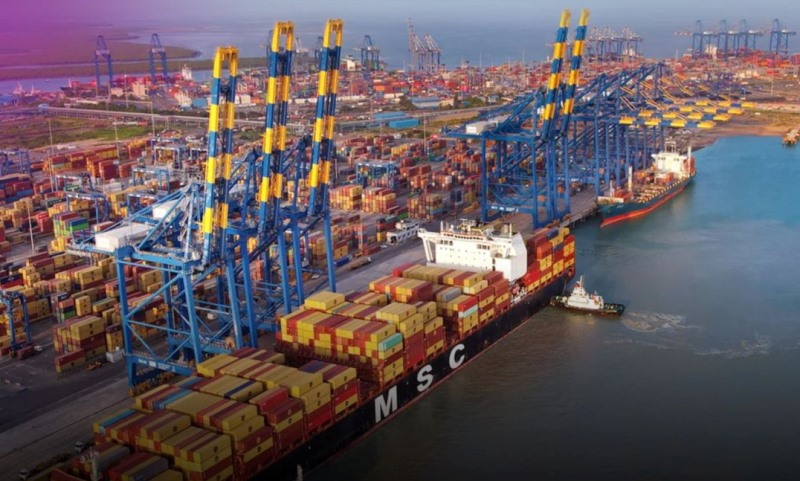
Mediterranean Shipping Company (MSC) has extended piracy and Suez-related surcharges on cargo moving from Asia to Mediterranean destinations, as security and operational risks continue to influence shipping through the region.
The extended charges will apply to shipments on the affected Asia–Mediterranean trade lanes. The surcharges are intended to cover additional costs associated with maritime security risks and the operational challenges linked to the Suez Canal and surrounding waters.
The Red Sea and Suez route remain important for container shipping between Asia and Europe and the Mediterranean. However, security concerns in the region have prompted carriers to review routing arrangements and associated costs.
For shippers, continued surcharges add to the overall cost of moving containers between Asian origins and Mediterranean markets. Exporters and importers will need to factor the additional charges into freight budgets and shipment planning during the applicable period.
Carrier decisions on routing can also influence transit times, vessel utilisation and network capacity. When vessels are diverted around the Cape of Good Hope, longer voyages require additional sailing time and can affect the availability of ships and containers across global trade lanes.
The extension of MSC’s surcharges highlights the continuing uncertainty surrounding the Suez and Red Sea corridor. Shipping lines are closely monitoring security conditions and may adjust their operational strategies as circumstances change.
Freight forwarders and logistics providers are also expected to incorporate the revised charges into customer quotations and transportation planning. Businesses moving regular cargo on the Asia–Mediterranean trade will need to monitor further carrier announcements for changes to rates, surcharges and routing arrangements.
The Suez Canal remains a major link between Asian manufacturing centres and Mediterranean markets, offering a shorter maritime connection than routes around southern Africa. Any prolonged disruption or additional risk in the corridor can therefore have wider implications for global container logistics.
MSC’s decision to extend the surcharges indicates that additional security and Suez-related costs remain a consideration for Asia–Mediterranean shipping. Shippers will continue to assess freight costs, transit times and routing options as the situation develops.