
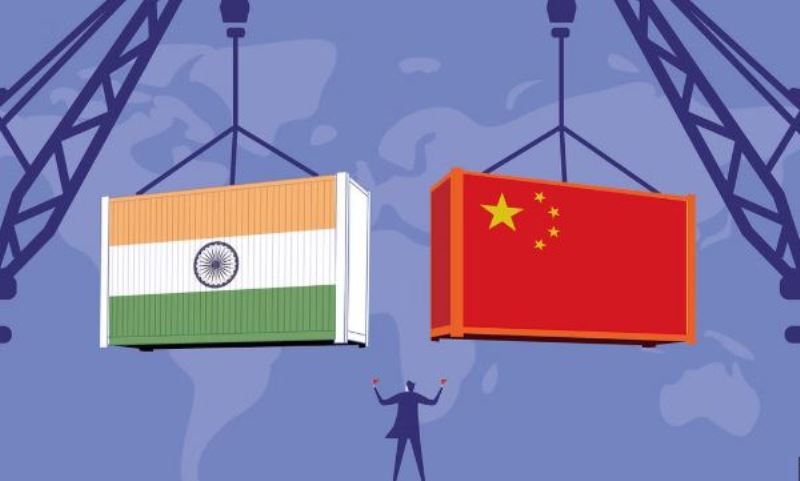
India’s trade deficit with China has crossed the $100 billion mark in 2026, highlighting the persistent imbalance in bilateral trade and the country’s continued reliance on Chinese imports across several industrial and manufacturing sectors.
China remains a major supplier of electronics, machinery, electrical equipment, chemicals, pharmaceutical ingredients and other intermediate goods to Indian businesses. These imports support domestic manufacturing, infrastructure development and consumer demand, but also contribute to the widening trade gap.
India’s exports to China, meanwhile, face the challenge of expanding their reach and competitiveness across key product categories. Increasing exports of engineering goods, pharmaceuticals, agricultural products and other value-added items could help narrow the imbalance over time.
The widening deficit has renewed attention on India’s efforts to strengthen domestic manufacturing, diversify supply chains and reduce dependence on imported components in strategically important sectors. Government initiatives to boost production, improve industrial competitiveness and promote exports are central to these efforts.
However, reducing the trade gap remains a complex task, given the scale of India-China commercial ties and the role of Chinese inputs in several domestic industries. A sustained increase in Indian exports, alongside competitive domestic production, will be important to achieving a more balanced trading relationship.