
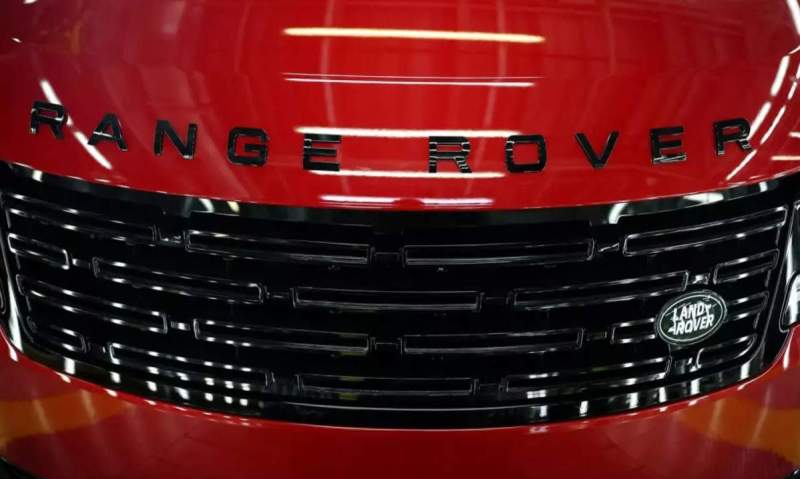
India’s Tata Motors is planning to import its Jaguar Land Rover (JLR) luxury electric cars under a new government policy that lowers import taxes for companies agreeing to set up local manufacturing, according to a Reuters report.
This policy, unveiled in March, offers significant incentives to car manufacturers. Import duties on some EV models have been slashed from as high as 100 percent to just 15 percent, provided the carmaker invests at least $500 million and sets up a domestic manufacturing facility within three years, as per Reuters.
While a Tata spokesperson declined to confirm these plans, sources familiar with the company’s strategy suggested that both import and domestic production of JLR EVs were on the table.
Shifting Strategy?
This potential shift in strategy comes after Tata previously lobbied the government to maintain higher import duties to protect the domestic auto industry. However, the new policy appears to have sparked a reconsideration.
Discussions regarding applying for the EV policy’s incentives were reportedly at an early stage. Meanwhile, Tata is also moving forward with plans to construct a $1 billion manufacturing plant for JLR vehicles in Tamil Nadu. Details on which specific JLR models will be produced there are not yet available.
Wider Industry Engagement
The Indian government is actively engaging with various automakers to finalise the implementation framework for the new EV policy. A recent meeting with representatives from Hyundai, Vinfast, Volkswagen, BMW, Mercedes, Maruti Suzuki, Mahindra & Mahindra, Toyota, and Tesla underscored the government’s commitment to fostering a vibrant electric vehicle ecosystem in India.
With electric vehicle sales currently accounting for only two percent of the Indian market, the government has set an ambitious target of 30 percent by 2030. The new policy and increasing consumer interest in EVs could be a game-changer for India’s automotive sector and position the country as a major player in the global EV market.