
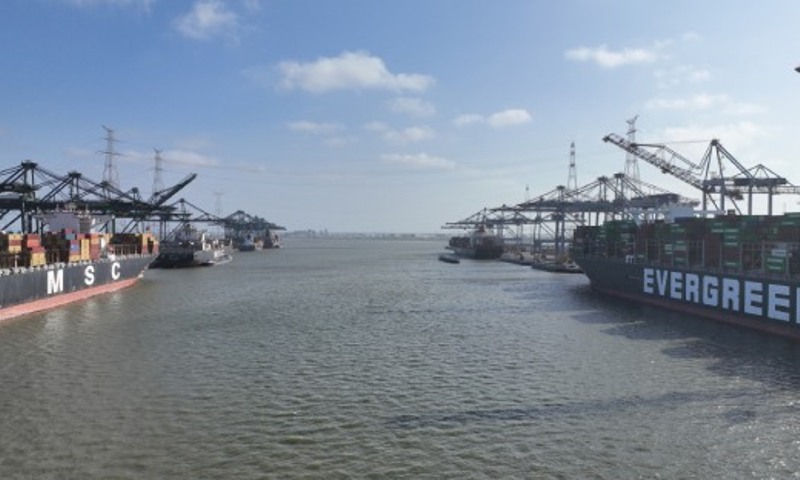
Shipping operations at Port of Antwerp were disrupted following an oil spill that led to delays and congestion across key terminals, impacting vessel movements in one of Europe’s busiest maritime hubs.
Port authorities initiated immediate containment and clean-up measures after the spill was detected, deploying response teams and specialized equipment to prevent further spread of the oil. As a precaution, traffic in affected sections of the port was either slowed or temporarily halted.
The incident has resulted in vessel queues and longer turnaround times, with several ships awaiting clearance to enter or depart the port. Logistics operators and shipping lines are closely monitoring the situation, as any prolonged disruption could affect cargo schedules across European trade lanes.
Officials have not yet disclosed the exact cause or volume of the spill, but investigations are underway. Environmental agencies are also assessing the potential impact on marine ecosystems and nearby industrial areas.
Industry sources noted that even short-term disruptions at Antwerp can have wider ripple effects, given its strategic importance as a gateway for container, bulk, and energy cargo in Europe.
Efforts are ongoing to restore normal operations, with authorities working to clear affected waterways and resume full vessel movement as quickly as possible.