
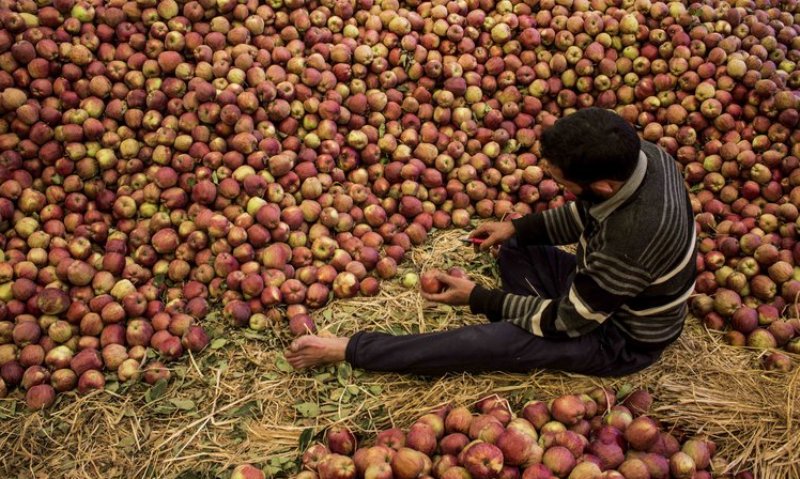
Apple growers in India have voiced concerns over current import duty structures and free trade agreement (FTA) quota provisions, warning that rising imports could put pressure on domestic prices and farmer incomes.
Producers, particularly from key apple-growing regions such as Himachal Pradesh and Jammu & Kashmir, have raised objections to reduced import duties under various trade agreements. They argue that lower tariffs, combined with quota-based import mechanisms, are enabling a steady inflow of cheaper apples from countries with preferential access to the Indian market.
Farmers’ groups say that while FTAs aim to balance trade relations, the existing quota limits still allow significant volumes of imports during peak domestic marketing seasons. This, they contend, affects price realization for locally grown apples and disrupts market stability.
Industry stakeholders are calling for a review of import policies to ensure that domestic producers are not disadvantaged. Suggestions include revisiting duty structures, tightening quota allocations, and aligning import windows with India’s harvest cycles to avoid direct competition.
Traders, however, note that imports help bridge supply gaps and cater to demand for premium varieties not widely available in India. They emphasize the need for a balanced approach that protects farmers while ensuring consumer choice and price stability.
The issue has gained prominence amid fluctuating production levels and changing consumption patterns. With apple cultivation supporting thousands of livelihoods in hill states, growers are urging policymakers to address their concerns and create a more level playing field.
As discussions continue, the outcome of any policy adjustments will be closely watched by both domestic producers and importers navigating India’s evolving agricultural trade landscape.