
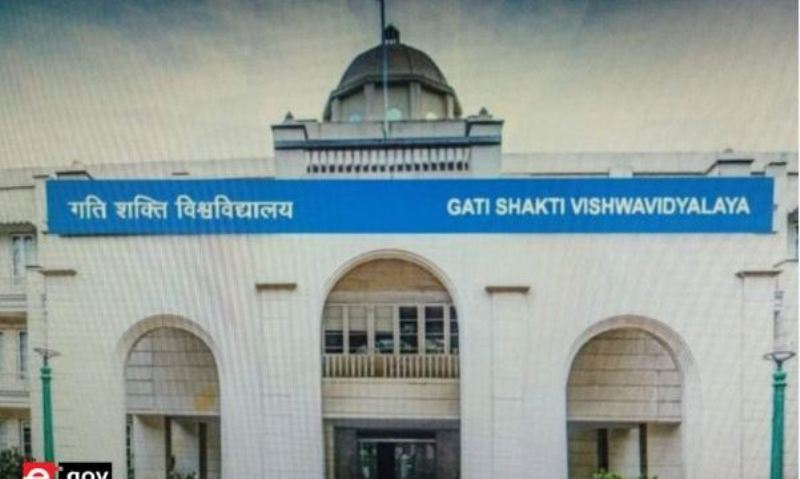
As India charts its course toward becoming a “Viksit Bharat” by 2047, infrastructure development, particularly in transportation and logistics, will play a pivotal role. The newly proposed Center for Infrastructure Project Management (CIPM) at Gati Shakti Vishwavidyalaya (GSV) is set to spearhead this effort. The centre will focus on educational programs, capacity building, and research specifically tailored to Infrastructure Project Management (IPM).
GSV, India’s first and only university dedicated to the transportation and logistics sector, is sponsored by the Ministry of Railways. It aims to enhance multimodal logistics across rail, road, air, water, ports, and shipping, focusing on technology, management, and policy reforms. The CIPM will address the unique challenges in infrastructure, offering innovative solutions and fostering collaboration between academia, industry, and government.
With a mission to be a centre of excellence, CIPM is expected to advance infrastructure project management practices, develop a skilled workforce, and improve project outcomes. The centre’s vision is to ensure infrastructure projects are executed efficiently, sustainably, and with maximum societal impact, ultimately increasing public confidence in infrastructure investments.