
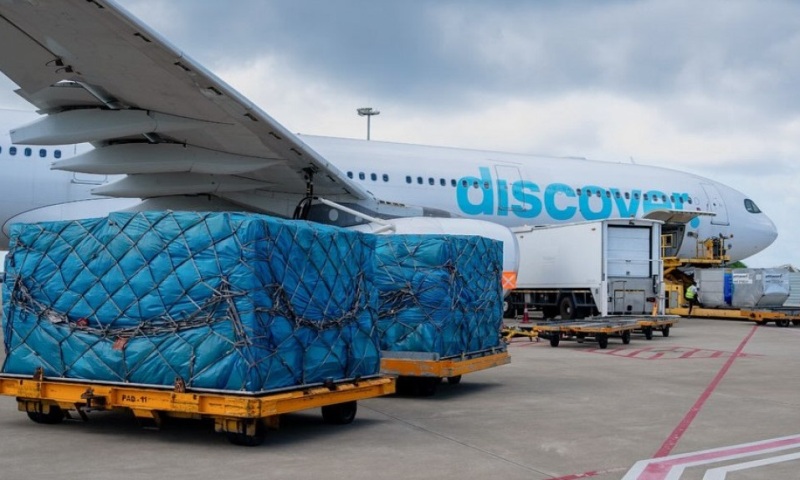
Global air cargo demand increased by 7% in June, driven largely by robust shipments of artificial intelligence (AI) chips and other high-value technology products. The surge reflects growing demand for advanced semiconductors used in AI infrastructure, data centres, cloud computing, and next-generation electronic devices.
The rapid expansion of AI-related investments has boosted the movement of time-sensitive semiconductor cargo, with air freight remaining the preferred transport mode due to its speed, security, and reliability. Major manufacturing hubs in Asia continued to ship high-value components to technology companies and data centre operators across North America, Europe, and other global markets.
Alongside AI chip exports, strong cross-border e-commerce activity, resilient consumer electronics demand, and steady pharmaceutical shipments also contributed to the positive performance of the air cargo sector. Airlines and logistics providers have responded by increasing freighter capacity and optimising networks to accommodate rising volumes on key trade lanes.
Industry analysts expect AI-driven semiconductor logistics to remain a key growth driver for the air freight market in the coming months. As investments in AI infrastructure continue to accelerate worldwide, demand for fast and secure transportation of advanced chips and related electronic components is likely to support sustained growth in global air cargo volumes.