
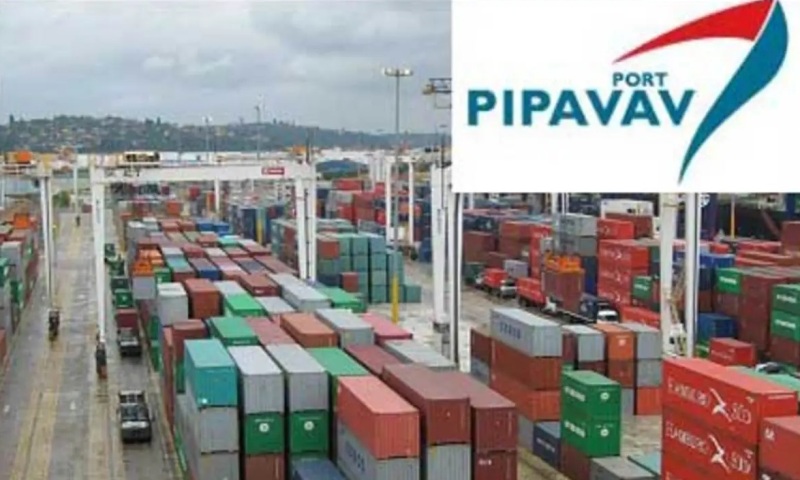
Gujarat Pipavav Port Ltd on Tuesday reported a 9 percent year-on-year increase in consolidated net profit to ₹107.9 crore for the third quarter ended December 31, 2025, driven by a sharp rise in RoRo and dry bulk cargo volumes, even as container traffic saw a marginal decline.
Revenue from operations grew 11 percent year-on-year to ₹292 crore during the quarter, the port operator said.
During the reporting period, container volumes handled at the port declined 1.7 percent to 1.74 lakh TEUs. In contrast, RoRo volumes surged 41 percent year-on-year to 62,000 units, reflecting strong demand from the automotive and project cargo segments. Dry bulk cargo volumes increased 21 percent to 0.87 million tonnes, while liquid cargo volumes registered a modest growth of 2.6 percent to 0.4 million tonnes.
The company reported profitability despite an incremental impact of ₹4.32 crore during the quarter, primarily due to gratuity-related past service costs arising from a change in law. Given the non-recurring and regulatory-driven nature of this expense, the impact has been recognised as an exceptional item in the statement of profit and loss.
Gujarat Pipavav Port said the diversified cargo mix and continued growth in non-container segments helped offset the softness in container volumes during the quarter.