
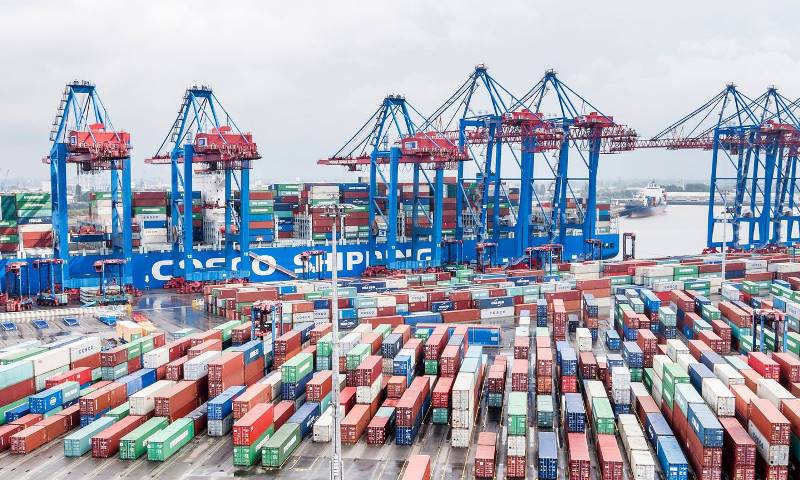
Hamburger Hafen und Logistik AG (HHLA) reported mixed financial and operational results for the first quarter of 2026 as weaker cargo throughput at the Port of Hamburg weighed on overall performance. The company faced softer container handling volumes amid ongoing global trade uncertainty, shifting shipping patterns, and continued pressure on European industrial demand.
HHLA said lower throughput at its Hamburg terminals affected container operations during the quarter, although some logistics and intermodal business segments continued to show resilience. The slowdown reflects broader challenges facing European ports as geopolitical tensions, supply chain disruptions, and subdued manufacturing activity impact cargo flows across the region.
Industry analysts noted that container traffic at Hamburg has been affected by changing vessel routing decisions, Red Sea-related shipping disruptions, and cautious demand from major export-oriented economies. European trade volumes have also faced pressure from slower industrial production and weak consumer demand in several markets.
Despite softer port performance, HHLA’s rail and intermodal logistics operations helped partially offset the decline in container handling. The company has continued investing in digitalisation, terminal automation, and rail connectivity to improve efficiency and strengthen inland cargo transport networks across Central and Eastern Europe.
The Port of Hamburg remains one of Europe’s largest container gateways and a key hub for trade between Europe and Asia. However, competition from other Northern European ports, fluctuating shipping schedules, and operational disruptions linked to global geopolitical tensions continue to influence cargo throughput patterns.
HHLA said it remains focused on long-term infrastructure development, sustainability initiatives, and operational optimisation to navigate market volatility and support future growth. Industry observers expect European port operators to continue facing uncertain trade conditions in the near term as global shipping markets adjust to evolving supply chain dynamics.