
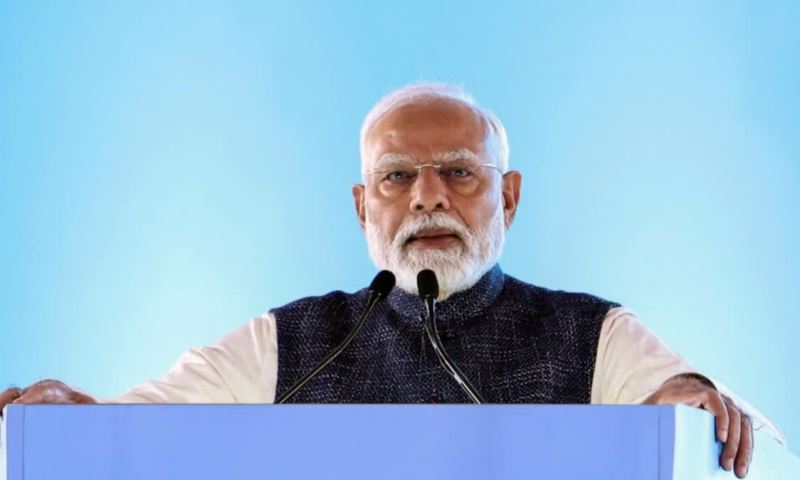
India’s logistics sector may be approaching a defining moment as Prime Minister Narendra Modi’s renewed emphasis on fuel conservation pushes the industry to rethink the future of freight movement across the country.
With fuel costs continuing to impact transportation, warehousing, and last-mile delivery operations, the focus is rapidly shifting from short-term savings to building efficiency-driven logistics networks that can support India’s long-term economic ambitions.
Industry experts believe the transition could accelerate the adoption of rail-led freight movement, coastal shipping, and multimodal logistics solutions aimed at reducing fuel dependency and improving operational efficiency.
The shift is also expected to encourage faster deployment of electric vehicles and alternative fuels in freight transportation, alongside increased investments in route optimisation, fleet efficiency, digital tracking systems, and technology-enabled logistics operations.
As India strengthens its position as a global manufacturing and supply chain hub, fuel-efficient logistics is emerging not just as a sustainability initiative, but as a key competitive advantage for the country’s trade ecosystem.
The larger challenge now lies in balancing rapid trade expansion with lower logistics costs and reduced fuel dependence — a transformation that could redefine the future of India’s supply chain and transportation sector.