
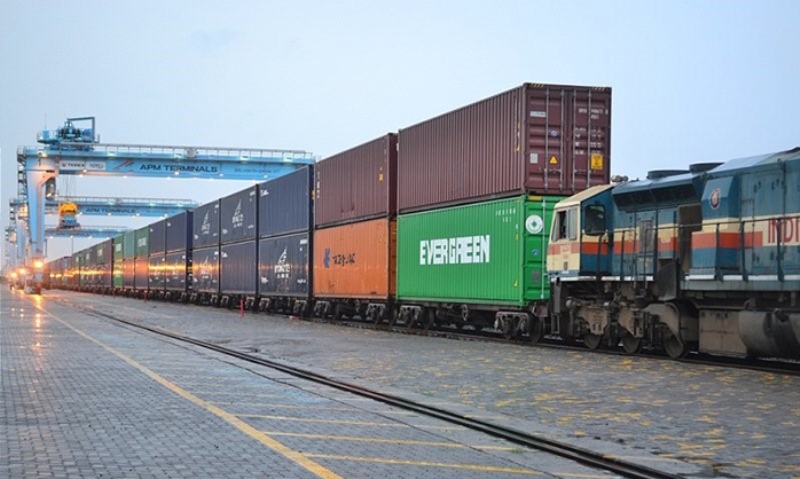
India has joined the ranks of a select group of countries operating heavy-haul railway systems, a development that is expected to significantly enhance freight transportation efficiency and reduce logistics costs, according to the Managing Director of the Dedicated Freight Corridor Corporation of India Ltd. (DFCCIL).
Speaking about the progress of the country’s dedicated freight rail infrastructure, the DFCCIL chief said the commissioning of the Eastern and Western Dedicated Freight Corridors has enabled India to operate longer, heavier and faster freight trains, bringing the nation closer to global benchmarks in rail-based cargo transportation.
Heavy-haul railway operations involve the movement of substantially larger freight loads using high-capacity trains on specialized rail corridors. Such systems are widely used in countries including the United States, China, Australia and Brazil to transport bulk commodities and containerized cargo efficiently over long distances.
The dedicated freight corridors have transformed the operational capabilities of Indian Railways by allowing freight trains to carry heavier payloads while maintaining higher average speeds. The corridors have also reduced congestion on existing passenger rail routes, improving overall network efficiency.
According to DFCCIL, the enhanced freight capacity is expected to play a crucial role in lowering logistics costs, a key objective of the Government of India as it seeks to improve the competitiveness of domestic manufacturing and exports. India currently aims to reduce logistics costs as a percentage of GDP through investments in multimodal transport infrastructure, freight corridors, ports and logistics parks.
The dedicated corridors are already facilitating faster movement of containers, coal, steel, cement, fertilizers and other commodities across major industrial and consumption centres. Improved transit times and greater reliability are helping businesses optimize supply chains and reduce transportation expenses.
Industry experts believe the heavy-haul capability will strengthen India’s position as a manufacturing and export hub by providing a more efficient freight transport network. The corridors are also expected to support the objectives of initiatives such as the National Logistics Policy and PM Gati Shakti by promoting seamless multimodal connectivity.
As freight volumes continue to rise, DFCCIL plans to further enhance operational efficiencies and increase the share of rail in the country’s freight movement. The successful deployment of heavy-haul rail operations marks a significant milestone in India’s infrastructure modernization journey and underscores the growing role of railways in supporting economic growth and trade competitiveness.