
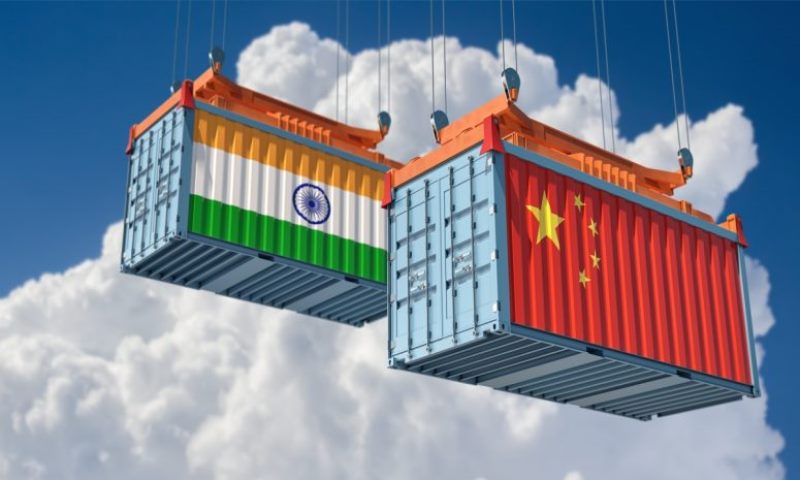
In a strategic move aimed at bolstering economic resilience and reducing trade costs, India is exploring ways to strengthen its trade ties with China, potentially bypassing certain tariff barriers through negotiated arrangements and regional trade mechanisms.
According to senior government officials familiar with the matter, New Delhi is considering a renewed engagement with Beijing, focusing on easing non-tariff barriers, harmonizing standards, and facilitating smoother market access for Indian exports. This comes amid shifting global supply chains and ongoing trade tensions involving major economies.
While India and China have maintained a complex and often tense relationship, particularly following border clashes in recent years, both nations recognize the economic logic of cooperation. China remains one of India’s top trading partners, with bilateral trade exceeding $135 billion in 2024, although heavily skewed in China’s favor.
To reduce its trade deficit and enhance competitiveness, India is reportedly examining the use of regional trade platforms such as the Regional Comprehensive Economic Partnership (RCEP), from which it had previously opted out in 2019. Experts suggest that re-engaging with RCEP or negotiating sector-specific agreements could allow India to access Chinese markets more freely while avoiding broader tariff frameworks.
“India is not looking at a full-fledged free trade agreement with China at this point,” said a trade ministry official. “But we are exploring mechanisms that can facilitate greater market access and reduce costs for Indian exporters, especially in sectors like pharmaceuticals, IT services, and agriculture.”
The Confederation of Indian Industry (CII) has welcomed the move, citing opportunities for Indian businesses to tap into China’s vast consumer market. However, national security and strategic autonomy concerns continue to loom large, with defense analysts urging caution.
Foreign policy experts argue that economic engagement with China must be carefully calibrated to avoid overdependence while leveraging mutual interests. “Economic cooperation doesn’t erase geopolitical realities,” said Dr. Anjali Menon, a senior fellow at the Indian Council of World Affairs. “But smart economic diplomacy can open up space for dialogue and reduce friction.”
As discussions progress, both nations are expected to hold technical-level meetings in the coming months to identify priority sectors and explore tariff relaxation pathways. While a full breakthrough remains uncertain, the renewed initiative signals India’s pragmatic turn toward navigating global trade dynamics with a focus on national interest.