
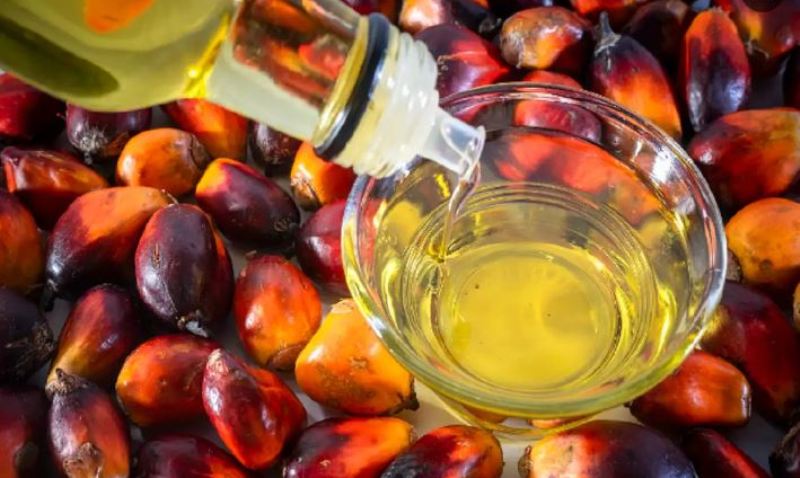
India is exploring alternative sources of palm oil as major suppliers Indonesia and Malaysia increase biofuel blending, potentially reducing the volume of palm oil available for export.
Indonesia and Malaysia are among the world’s largest palm oil producers and key suppliers to India. Higher domestic biofuel requirements in these countries could divert a larger share of production toward biodiesel, tightening export availability and putting pressure on international prices.
India, the world’s largest importer of edible oils, is therefore looking to diversify its sourcing options to ensure adequate supplies for domestic consumption. Importers may increasingly turn to other producing countries and alternative edible oils if palm oil availability from Southeast Asia becomes constrained.
Higher palm oil prices could also raise the cost of India’s edible-oil imports and influence domestic cooking oil prices. The development comes as India continues to rely heavily on overseas supplies to meet its growing edible-oil demand.
Traders are closely monitoring production, export availability and biofuel policies in Indonesia and Malaysia. Any further increase in biodiesel blending could tighten global palm oil supplies and encourage Indian buyers to seek alternative origins.
The shift could also accelerate diversification within India’s edible-oil import basket, with soybean and sunflower oil gaining importance alongside palm oil.