
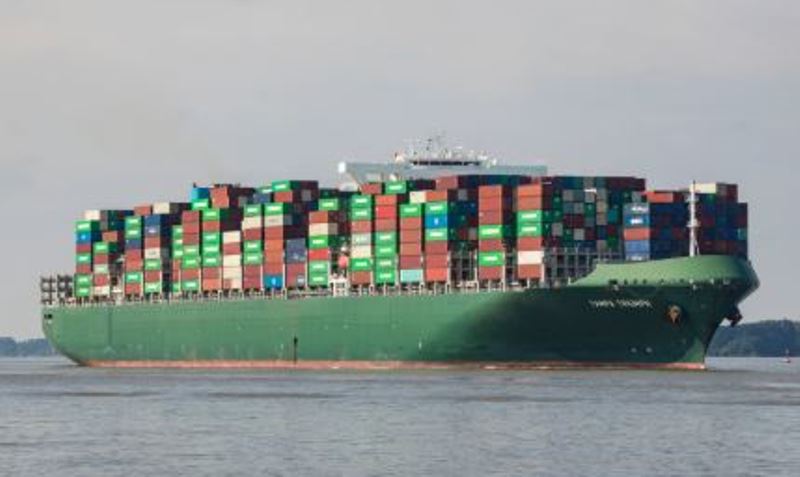
India plans to add 100 new merchant ships to its commercial fleet over the next five years as part of a broader strategy to reduce the country’s dependence on foreign shipping companies and cut its annual freight outflow of around $75 billion.
The initiative was announced by Union Minister for Ports, Shipping and Waterways Sarbananda Sonowal, who highlighted the need to expand India’s domestic shipping capacity and retain a larger share of freight earnings within the country.
India currently relies heavily on foreign-flagged vessels to transport its international trade. As a result, a substantial portion of the country’s freight expenditure flows to overseas shipping companies. Expanding the Indian merchant fleet is expected to help address this imbalance and strengthen the country’s maritime economy.
The proposed addition of 100 vessels would cover India’s growing requirements for transporting commodities and other international cargo. A larger national fleet could provide Indian exporters and importers with greater access to domestic shipping capacity while improving the country’s resilience during periods of global supply-chain disruption.
The fleet expansion is also expected to support India’s broader ambition of becoming a major maritime and logistics hub. Increasing the number of Indian-owned and Indian-flagged vessels would strengthen the country’s presence in international shipping and create additional opportunities across shipbuilding, ship repair, marine services and maritime employment.
The government is simultaneously pursuing measures to encourage investment in the country’s shipbuilding and shipping sectors. These initiatives are intended to increase domestic vessel construction and develop an ecosystem capable of supporting a larger commercial fleet.
The plan comes as India’s merchandise trade continues to expand, increasing demand for efficient and cost-effective maritime transportation. With most of the country’s international trade by volume moving by sea, policymakers see a stronger merchant fleet as an important component of long-term trade competitiveness.
If successfully implemented, the addition of 100 ships could reduce India’s exposure to international freight-rate fluctuations and retain more shipping-related earnings domestically. It could also help India strengthen its strategic position in global maritime trade.
The government now faces the challenge of ensuring sufficient financing, shipbuilding capacity, skilled manpower and regulatory support to deliver the proposed fleet expansion within the five-year timeframe.