
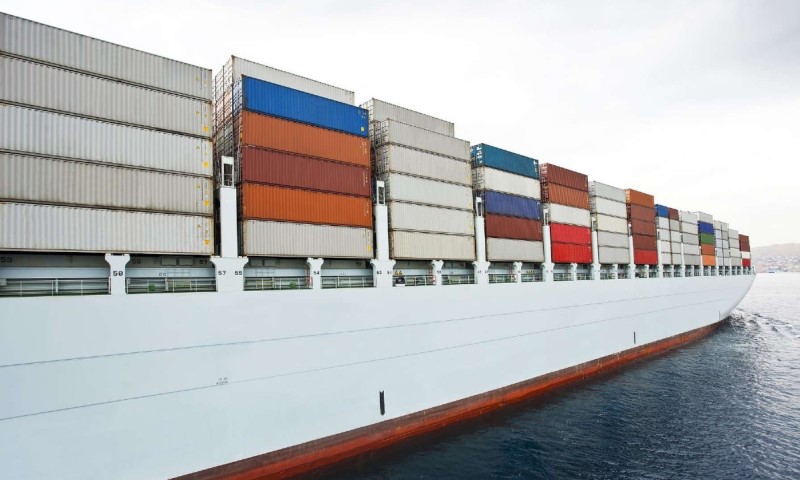
Continued volatility in fuel prices is keeping emergency freight surcharges elevated across the shipping and logistics industry, adding to cost pressures for cargo owners and shippers.
Carriers and logistics providers have introduced or maintained emergency fuel-related surcharges as higher bunker and fuel costs increase the expense of operating vessels and other transport equipment.
The additional charges have become an important component of freight pricing as energy markets remain affected by geopolitical tensions, supply disruptions and fluctuations in crude oil prices.
For shippers, persistent surcharges are adding to overall transportation costs and making freight budgeting more challenging. The impact is particularly significant on long-haul and fuel-intensive services, where changes in bunker prices can have a direct effect on operating costs.
Shipping lines have continued to review their surcharge levels in response to changes in fuel prices and operating conditions. Some carriers have also introduced temporary emergency charges on specific trade lanes or adjusted existing fuel-related fees.
The prolonged period of fuel-price uncertainty has made it difficult for the industry to return fully to pre-disruption surcharge structures.
Market participants are closely watching crude and bunker prices, as any sustained easing in fuel costs could reduce pressure on emergency surcharges. However, continued volatility could keep additional freight charges in place for longer.
The situation highlights the growing importance of fuel-cost management for carriers and the need for shippers to factor potential emergency surcharges into international freight planning.