
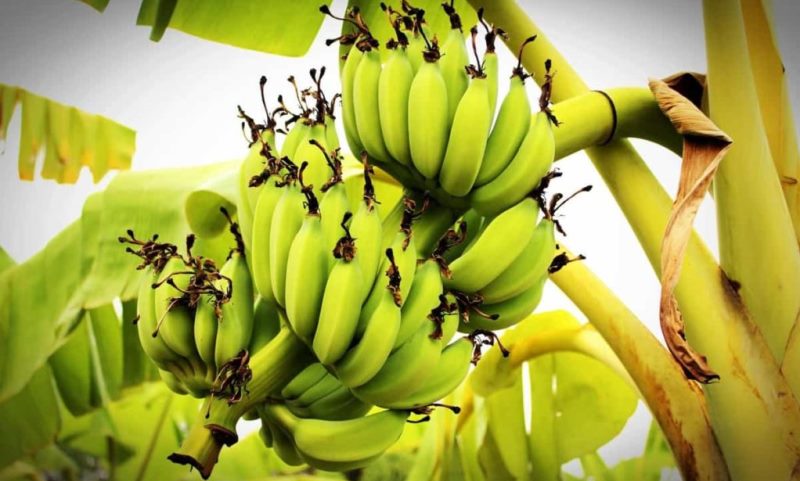
India produces nearly a quarter of the world’s bananas, yet its share in global exports remains stuck at just about 2%, highlighting a major gap between farm output and international market penetration. The country is the world’s largest banana producer, with key growing regions spread across states such as Andhra Pradesh, Maharashtra, Tamil Nadu, Gujarat and Uttar Pradesh. However, most of this production is absorbed by domestic consumption due to India’s large population and strong internal demand.
Industry experts point to several structural challenges limiting export growth. These include fragmented supply chains, limited availability of export-grade varieties, inconsistent quality standards, and inadequate post-harvest infrastructure such as cold storage, ripening facilities and refrigerated transport. High logistics costs and spoilage during transit further reduce the competitiveness of Indian bananas in distant markets compared to suppliers from Latin America and Southeast Asia.
Market access barriers and compliance requirements also play a role. Exporters face stringent phytosanitary norms in key destinations such as the European Union, Japan and the Middle East, while small and marginal farmers often lack awareness and support to meet these standards. In addition, limited branding and weak presence in global retail chains have constrained India’s ability to command premium prices abroad.
The government has been pushing to address these gaps through initiatives focused on farmer aggregation, cluster-based production, and expansion of packhouses and cold-chain infrastructure under various agricultural export promotion schemes. Analysts say that if quality consistency, logistics efficiency and market linkages improve, India could significantly raise banana exports and better leverage its dominant position in global production.