
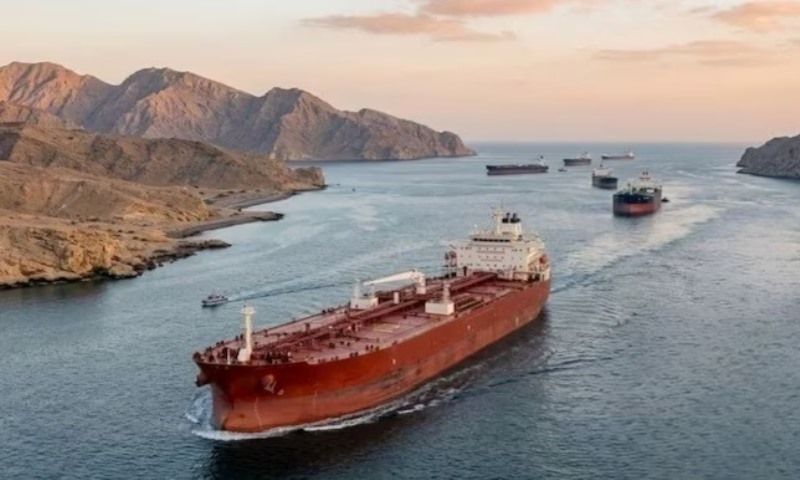
India’s maritime sector is rapidly adapting to disruptions caused by the ongoing conflict in West Asia, with shipping services to alternative regional ports more than doubling in recent months as vessel movements through the Strait of Hormuz face severe challenges.
According to government data, the number of shipping services operating east of the Strait of Hormuz and through the Red Sea increased significantly from 127 services in February to 257 in April, before marginally easing to 245 in May. The Ministry of Ports, Shipping and Waterways noted that services operating west of Hormuz have become negligible due to the conflict, while the sharp rise in alternative routes reflects the resilience of India’s maritime trade and continued confidence among shipping stakeholders.
The disruptions have also affected India’s fertiliser supply chain. A senior official from the Department of Fertilisers confirmed that efforts have begun to evacuate India-bound fertiliser cargo stranded west of Hormuz through an alternative multimodal route. Under the arrangement, fertiliser cargo will be transported by road from ports and production facilities located along the Persian Gulf to Yanbu Port on Saudi Arabia’s Red Sea coast, from where it will be shipped to Indian ports.
“The bulk cargo has to be transported by road from the ports and production facilities along the Persian Gulf to Yanbu. It will add to the cost, but suppliers are taking this route since there is no immediate end to the conflict,” the official said.
The rerouting strategy, while ensuring continuity of supply, is expected to increase logistics costs and could have broader economic implications. Ratings agency CRISIL has warned that rising fuel prices may add to inflationary pressures in the coming months. Higher petrol and diesel prices are likely to increase transportation and manufacturing costs, potentially driving both food and core inflation higher if global crude oil prices remain elevated.
Retail petrol and diesel prices have already risen by ₹7.50 per litre since May 15, with analysts suggesting that cumulative increases could approach ₹10 per litre if international crude prices do not moderate. State-run oil marketing companies are expected to continue adjusting retail prices as they seek to reduce losses on fuel sales.
Industry observers note that while alternative logistics corridors are helping maintain trade flows, prolonged regional instability could continue to impact shipping costs, supply chains and energy markets, with ripple effects across India’s economy.