
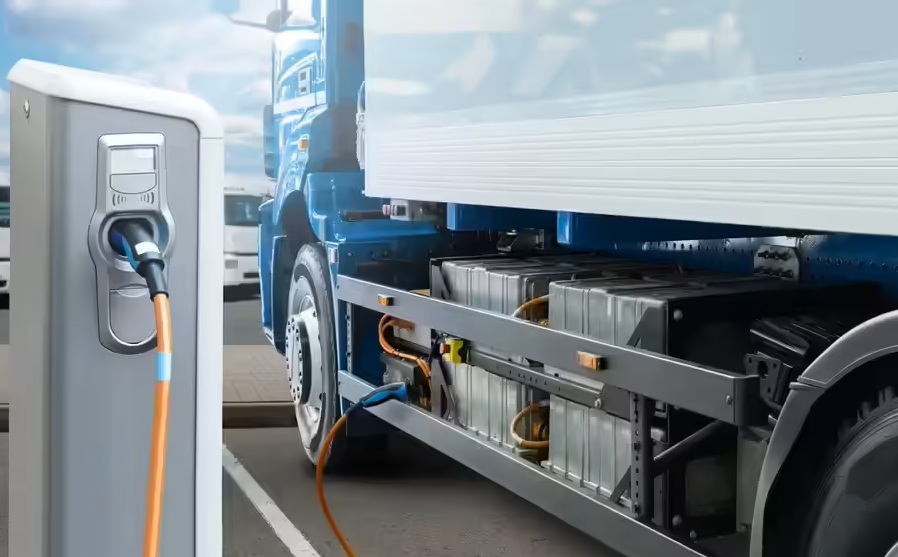
The Delhi government is preparing to transition cargo movement from diesel-powered trucks to electric vehicles (EVs) as part of a broader strategy to curb air pollution during the winter months, when the national capital typically experiences a sharp decline in air quality.
The initiative aims to reduce emissions from freight transport, one of the significant contributors to particulate pollution in the city. Authorities plan to encourage the deployment of electric cargo vehicles for last-mile and intra-city freight movement while gradually reducing dependence on diesel trucks.
The proposed shift will be supported through the expansion of EV charging infrastructure, incentives for fleet operators, and policy measures designed to accelerate the adoption of electric commercial vehicles. The government is also expected to work with logistics companies, transporters, and industry stakeholders to facilitate a smooth transition.
The move forms part of Delhi’s wider clean mobility and air quality management strategy, complementing existing measures such as restrictions on older vehicles, tighter emissions monitoring, and promotion of public transport and electric mobility.
If implemented successfully, the transition is expected to lower vehicular emissions, improve urban air quality during the high-pollution winter season, and contribute to India’s broader goals of reducing carbon emissions while advancing sustainable freight transportation.