
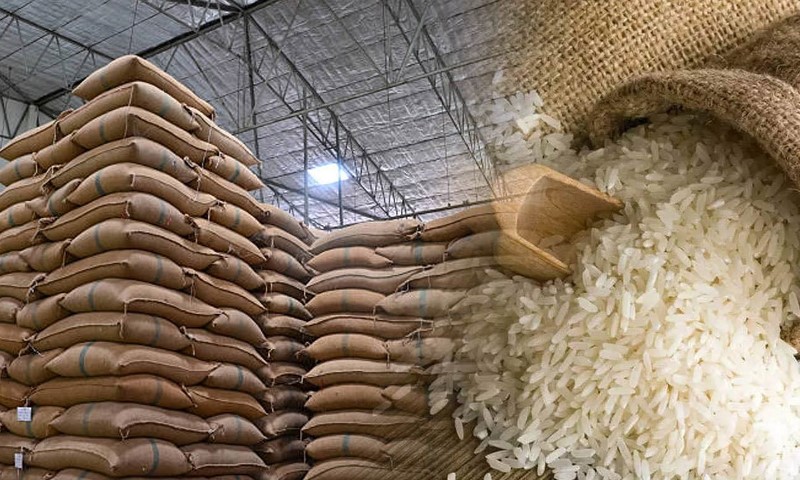
Indian rice export prices extended their upward trend this week, supported by an increase in the government’s reserve price for paddy procurement and concerns over the progress of the monsoon season in key rice-growing regions. The combined impact of higher domestic procurement costs and weather-related uncertainties has strengthened export quotations across major rice varieties.
The higher reserve price is expected to raise the cost of raw material for millers and exporters, prompting them to revise export offers. Traders noted that the increase has already been reflected in overseas quotations, particularly for non-basmati white rice, while basmati prices have remained relatively firm due to steady international demand.
Market participants are also closely monitoring the southwest monsoon, as uneven rainfall in some agricultural regions has raised concerns over crop yields and future supplies. Any prolonged weather disruption could affect production prospects, further supporting export prices in the coming months.
India remains the world’s largest rice exporter, supplying both basmati and non-basmati rice to markets across Asia, Africa, the Middle East, and Europe. Exporters said demand from traditional buyers has remained stable despite the price increase, although some importers are adopting a cautious approach while assessing future market trends.
Industry observers believe rice prices are likely to remain firm in the near term as traders balance higher procurement costs with uncertainties surrounding crop production. The pace of monsoon rainfall and the upcoming harvest season will be key factors influencing export availability and pricing during the second half of the year.