
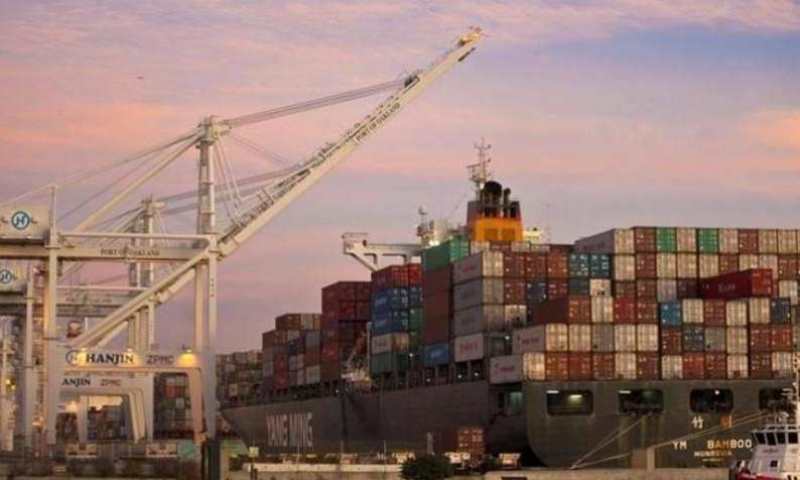
A sharp rise in LPG prices triggered by the West Asia conflict brought cargo movement at India’s largest container gateway, Jawaharlal Nehru Port Authority (JNPA), to a near standstill, resulting in a backlog of nearly 40,000 import containers and disrupting supply chains across the country.
The crisis stemmed from a shortage of trailer drivers, many of whom are migrant workers from states such as Uttar Pradesh, Bihar, Jharkhand and West Bengal. As LPG supplies were disrupted and cooking gas prices surged, drivers who relied on small cylinders to prepare meals at parking yards around the port found daily living costs unaffordable. Many returned to their hometowns, leaving thousands of trailers idle.
According to JNPA officials, the backlog of import containers waiting for evacuation rose from around 17,000 in mid-April to nearly 40,000 by the second week of May. At the peak of the disruption, only about 5,000 containers were being moved daily against roughly 11,000 containers discharged from incoming vessels, causing congestion to worsen rapidly.
Industry representatives estimated that between 50 and 60 per cent of drivers were absent during the worst phase of the crisis, while shortages remain significant despite some workers returning. The disruption affected container transportation between the port and inland warehouses, delaying cargo deliveries and straining exporters and importers.
The situation prompted intervention from the central government, with Union ministers reviewing the crisis and introducing emergency measures. Rail services were deployed to ease cargo movement, trailer pools were created and certain port charges were waived. JNPA also allowed importers to directly clear cargo from port yards in an effort to reduce congestion.
Port authorities said the backlog has since reduced to around 24,000 containers and is expected to stabilize further. However, logistics stakeholders warn that driver shortages and elevated transportation costs continue to impact operations at India’s busiest container hub.
The episode highlights how disruptions in energy supply chains can have far-reaching consequences beyond fuel markets, affecting labour availability, port efficiency and the broader logistics ecosystem.