
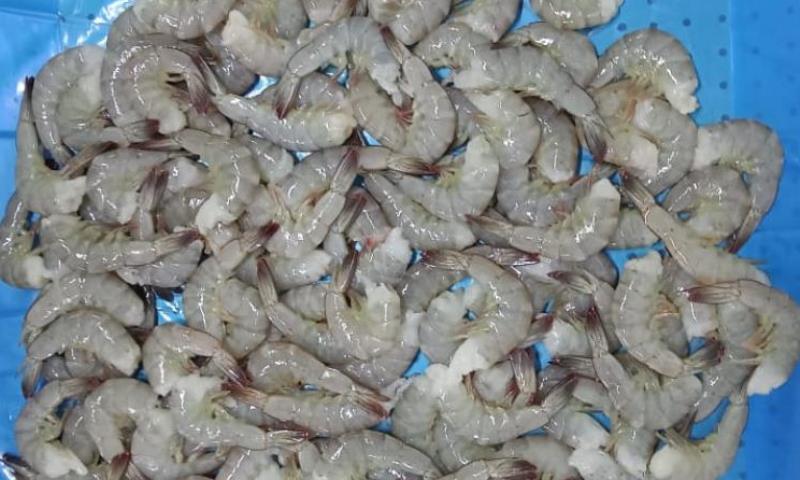
India, the leading supplier of shrimp to the United States, now faces a steep 50% tariff on its exports, a move expected to significantly disrupt trade flows and impact key export sectors.
The first 25% tariff, announced by former U.S. President Donald Trump, took effect on August 7. A second tranche, also 25%, will come into force on August 27 as a punitive measure for India’s oil purchases from Russia. Once implemented, total tariffs on Indian goods will rise to 50%.
Industry experts said that the tariff hike will severely impact multiple sectors, including shrimp, leather, chemicals, footwear, gems and jewellery, and textiles. Until now, India had held a relatively advantageous position among Asian shrimp suppliers. If the full 50% tariff is enforced, it will place India above Vietnam (20%) and Indonesia (19%) in tariff burden.
The immediate impact has already rippled through Indian markets, with seafood companies like Apex Frozen Foods, Avanti Feeds, and Coastal Corporation seeing declines in share value, according to shrimp industry analyst Willem van der Pijl.
Meanwhile, Latin American shrimp exporters maintain a stronger position. Although Ecuador’s tariff has risen slightly—from 10% to 15%—most Latin American producers continue to enjoy a 10% rate. “Ecuador and its regional peers will likely expand production of peeled and value-added shrimp products, which are increasingly in demand in the U.S.,” van der Pijl noted.
With U.S. market access now restricted, sources suggest that Indian shrimp exporters may begin redirecting volumes to alternative markets such as China, potentially reshaping global supply dynamics.