
Iran’s Shipping Association has rejected reports that vessels have halted departures from Jebel Ali Port—the UAE’s largest container hub—and other regional ports bound for Iran, according to state-linked Tasnim News Agency.
In a letter cited by Tasnim, the association said commercial shipping from all import origins to Iranian ports is continuing without disruption. The clarification followed circulation of a separate letter attributed to the Industry, Mine and Trade Department in Iran’s southern Bushehr province, which suggested that ships were not moving from certain import hubs to Iran.
The denial comes against the backdrop of heightened political rhetoric in Tehran, as negotiations with the United States continue in Geneva.
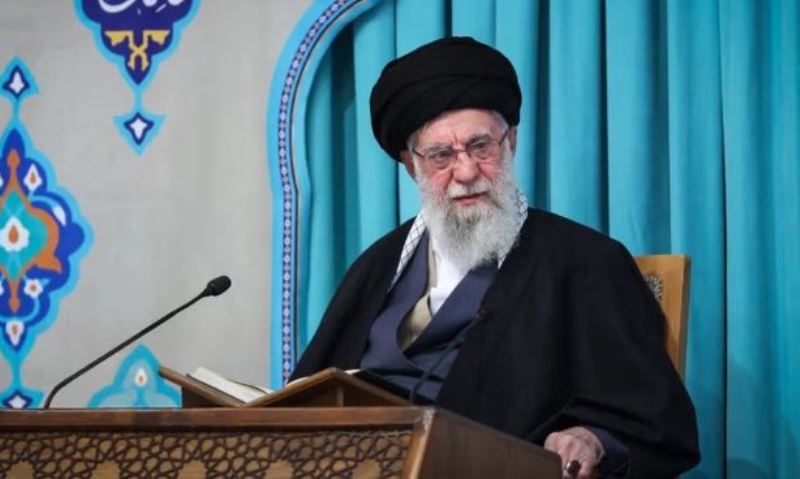
On February 17, while Iranian negotiators were engaged in talks with US officials, Supreme Leader Ali Khamenei delivered a pointed warning in Tehran. “More dangerous than the aircraft carrier,” he said, “is the weapon that can send it to the bottom of the sea,” in remarks widely interpreted as a reference to Iran’s missile capabilities.
Soon after, state-aligned cultural figures circulated verses underscoring themes of sacrifice and resistance, reinforcing a narrative that appears to prepare the public not for compromise, but for the possibility of confrontation.
Fading Expectations of Agreement
Analysts note a shift in tone compared with previous rounds of diplomacy. Earlier talks were framed by Iranian officials as negotiations conducted from a position of strength—“peace-seeking but capable of war.” In the current round, expectations of a breakthrough appear muted.
Officials describe negotiations primarily as a means to manage escalation and avoid uncontrolled regional conflict. However, commentary in state-aligned media increasingly presents war as both plausible and potentially advantageous, emphasizing military readiness and deterrence.
Comparisons are frequently drawn to Libya under Muammar Gaddafi, with hardline voices arguing that abandoning strategic weapons programs can invite foreign intervention and internal destabilization. In this framing, compromise risks systemic weakening, while confrontation could reset the strategic balance.
Ideological Framing of Confrontation
Recent rhetoric reflects an ideological shift that casts the standoff in existential and even theological terms. Resistance is portrayed not only as geopolitical strategy but as a moral and civilizational test.
Military figures have increasingly stressed preparedness, suggesting Iran is ready to withstand and potentially prevail in a conflict scenario. Structural pressures and economic strain are framed as trials to be endured rather than vulnerabilities.
This perspective aligns with longstanding themes in the Islamic Republic’s political language, where steadfastness and sacrifice are linked to legitimacy and survival.
The Strategic Dilemma
At the core of Tehran’s posture lies what analysts describe as a strategic paradox. A negotiated agreement with Washington could entail limits on Iran’s missile program, nuclear activities or regional influence—measures that some within the leadership view as undermining the system’s foundational pillars.
Conversely, while war carries significant risks, proponents argue it may preserve strategic leverage, particularly under Iran’s doctrine of asymmetric warfare and regional escalation.
The result is a complex balancing act. Negotiations are intended to prevent conflict, yet for segments of the establishment, the concessions required to secure peace may appear more threatening than confrontation itself.
For now, even as talks proceed abroad, official messaging at home suggests that Tehran is preparing for a range of outcomes—including the possibility that diplomacy may not prevail.