
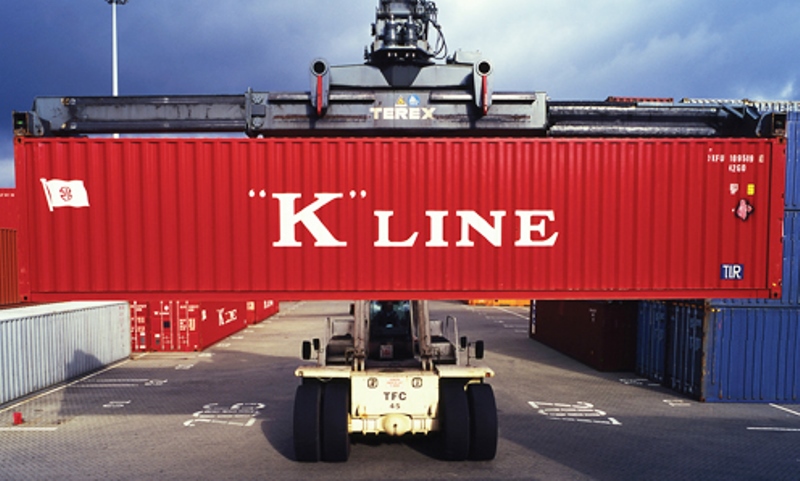
Japanese shipper Kawasaki Kisen (K-Line) is adjusting its U.S. services and is prepared to reroute more ships away to other regions as it braces for potentially higher U.S. tariffs, CEO Takenori Igarashi said on Wednesday.
“There have been times when ships couldn’t be fully loaded on some routes, and when we reduced the frequency of container services from East Asia to the U.S.,” Igarashi, who took his post in March, told Reuters in an interview.
“We’re adjusting our fleet capacity according to cargo volumes.”
One of Japan’s major shipping companies, Kawasaki Kisen has factored in a 30 billion yen ($200 million) impact from U.S. tariffs for the financial year through March 2026, citing a hit to the car carrier business and lower container volumes and freight rates.
Igarashi said that the container ship business would be especially affected by the outcome of U.S.-China tariff negotiations, which the company was closely watching.
U.S. President Donald Trump has threatened higher tariffs on a range of trading partners unless they agree trade deals before an August 1 deadline.
Depending on the tariff rates that various countries ultimately face and what they do to trade flows, there could be some positive impact if shipping distances lengthen, Igarashi said.
To adjust to tariff-related demand at the operational level, Kawasaki Kisen could redirect vessels from U.S. routes to Europe, the Middle East, Australia and Africa, he said.
“When it comes to strategic adjustments, we may, for example, reduce assets in the form of vessels a bit, but unless we are clear about the direction of trade policies, we can’t suddenly make drastic cuts,” he said. “We’re still in the wait-and-see phase.”