
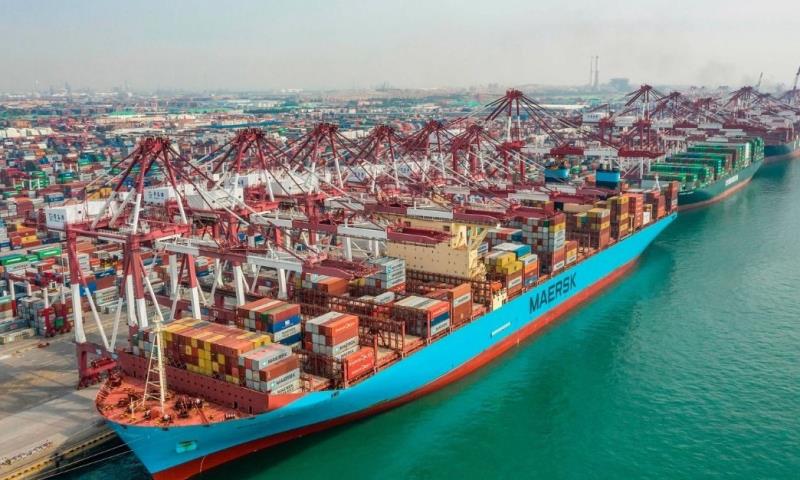
Cargo volumes at ports across Kerala have witnessed a noticeable decline as the ongoing conflict involving Iran continues to disrupt key maritime routes and regional trade flows.
The situation has been exacerbated by instability in the Strait of Hormuz, a critical shipping corridor for cargo moving between India and Gulf countries. With vessels facing delays, diversions, and increased security risks, exporters in Kerala are struggling to move goods to major markets in West Asia.
Industry sources indicate that both containerised cargo and bulk shipments have been impacted, with shipping lines either suspending services or rerouting vessels to avoid conflict zones. The disruptions have also led to higher freight costs and the imposition of emergency surcharges, further dampening export activity.
Ports such as Kochi and Vizhinjam are experiencing operational challenges, including congestion in container yards and difficulty in handling stranded cargo. Limited storage capacity has added to the strain, as containers originally bound for Gulf destinations remain stuck or redirected.
Exporters, particularly those dealing in perishable goods like fruits, vegetables, and seafood , are among the worst affected. Delays in shipments have resulted in spoilage risks and financial losses, especially during peak demand periods in Gulf markets.
The broader global shipping environment has also been thrown into turmoil, with rerouting, rising insurance premiums, and volatile freight rates impacting trade flows worldwide.
Authorities are monitoring the situation closely and have introduced measures to support port operations and maintain cargo movement. However, stakeholders warn that unless stability returns to the region, cargo volumes at Kerala ports may remain under pressure in the near term.