
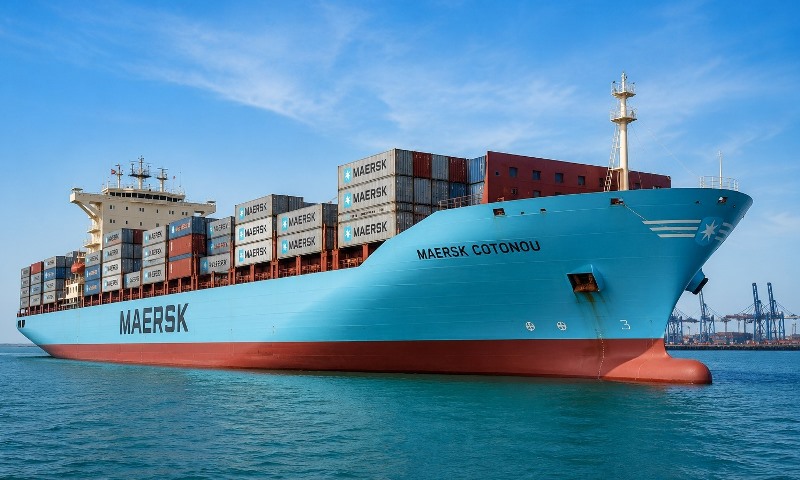
Maersk has announced higher intermodal fuel-related charges across Central Europe, adding to transportation costs for customers using its inland rail and road services.
The adjustment forms part of the carrier’s latest updates to inland transportation pricing as fuel and energy costs continue to influence logistics operations. Maersk provides multimodal inland services connecting ports with inland destinations through road, rail and barge networks.
The higher charges will affect shipments moving through selected Central European markets and are expected to be reflected in applicable intermodal transport rates. Customers with cargo moving by rail or road may therefore face increased logistics costs depending on their route and service configuration.
Fuel-related adjustments have become increasingly important for carriers and logistics providers as fluctuations in energy prices directly affect trucking, rail operations and other inland transport services.
For shippers, the increase could add pressure to overall landed costs, particularly for cargo moving over longer inland distances. Maersk’s integrated transport model means changes in inland fuel charges can influence the cost of moving containers between ports, distribution centres and final destinations.
The latest move comes as Maersk continues to update its inland pricing structure across European markets. The carrier has also published other recent rate announcements covering emergency inland fuel and energy surcharges.
The revised charges highlight the continuing impact of fuel costs on European intermodal freight and could prompt shippers to review transport modes, routing and delivery schedules to manage rising inland logistics expenses.