
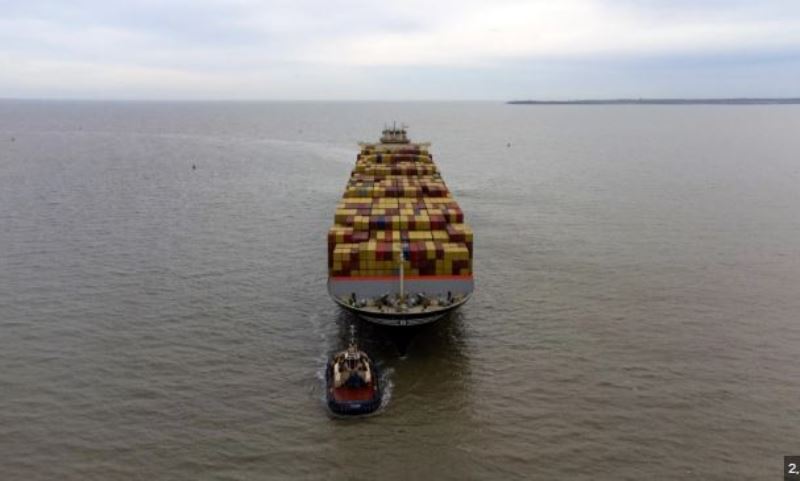
Entering early 2026, the global container shipping industry is undergoing a coordinated wave of service network restructuring, with major carriers, including COSCO Shipping Lines, CMA CGM, and HMM, announcing adjustments across key trade lanes.
Industry observers note that this phase is not marked by capacity expansion or the launch of new services, but by network rationalisation, loop optimisation and a renewed focus on schedule reliability, reflecting a market moving into a rebalancing phase.
Shift from Expansion to Efficiency
Across carriers, common themes are emerging:
Reduction of low-efficiency port calls
Service loop adjustments aligned more closely with actual cargo flows
Strong emphasis on schedule stability, fewer delays and lower operational risk
This represents a structural operational realignment rather than the aggressive capacity growth seen in earlier cycles.
Vietnam Remains Central to Global Networks
Despite the optimisation drive, Vietnam continues to hold a firm position within major service loops. Ports such as Hai Phong and Ho Chi Minh City/Cai Mep remain integrated into Intra-Asia, inter-regional and intercontinental services, underscoring Vietnam’s sustained importance in regional and global supply chains.
Industry analysts stress that Vietnam is not being marginalised; instead, it is being retained as a core port market within streamlined and more resilient shipping networks.
Key Service Adjustments
CMA CGM & COSCO Shipping Lines have upgraded their Far East–Caribbean service, reinforcing Vietnam’s role in intercontinental trade.
COSCO Shipping Lines has adjusted its JVC (Japan–China–Vietnam) service, creating a leaner and more efficient structure tailored to Intra-Asia demand.
HMM has restructured its Intra–Far East network, aiming to improve schedule reliability and better match real cargo volumes.
Strategic Selection, Not Contraction
The simultaneous restructuring by multiple carriers does not indicate a market contraction. Instead, it highlights a strategic selection of core ports and trade lanes, designed to enhance operational efficiency amid changing demand dynamics.
Vietnam’s continued inclusion across key services reflects its growing stability, manufacturing strength and strategic relevance within Asia’s evolving supply chain landscape.
Logistics players such as Legend Shipping note that close monitoring of service and schedule changes remains critical, enabling shippers to proactively adapt logistics planning in an increasingly optimised shipping environment.