
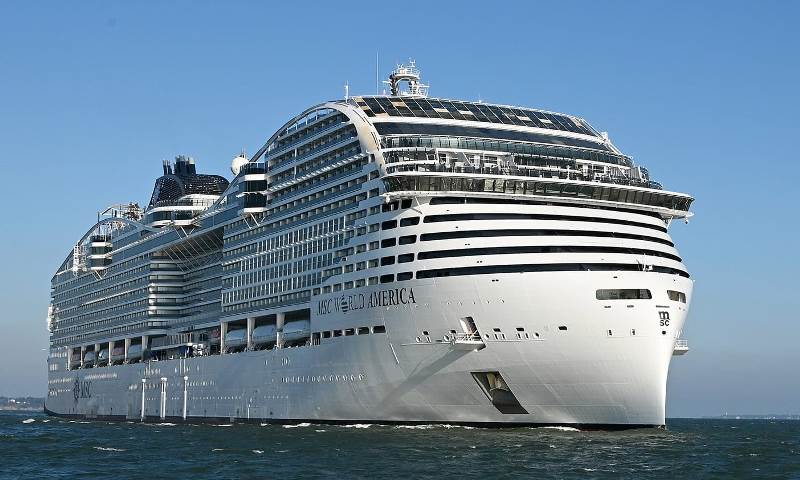
MSC Cruises announced an order for four next-generation cruise vessels and two additional options from MEYER WERFT, marking the launch of its new “New Frontier” platform, a new class of ships, the company said on 15 December.
The agreement is intended to secure production capacity at the Papenburg shipyard well into the next decade.
The announcement was made in Berlin in the presence of representatives of the German federal government and the state of Lower Saxony, as well as MSC Cruises Executive Chairman Pierfrancesco Vago and MEYER WERFT CEO Dr. Bernd Eikens.
Vago said the New Frontier class would “enable us to design new and exclusive itineraries, offer exceptional guest experience and will feature next-generation environmental technologies that will advance our net-zero 2050 commitment.”
Eikens said the order marked “a significant milestone” in the shipyard’s history and described MSC Cruises as “a new customer and strategic partner,” adding that the agreement would support long-term growth and employment.
The New Frontier vessels are planned to have a maximum passenger capacity of 5,400 and about 180,000 gross tons, with deliveries scheduled annually from 2030.
MSC Cruises said the order would support thousands of jobs in Germany, particularly in Lower Saxony and Papenburg, where more than 3,200 people are directly employed at MEYER WERFT and more than 20,000 jobs in the wider region are linked to its operations.
Financial terms of the contract and technical details beyond capacity, tonnage and delivery timeline were not disclosed.
MSC Cruises is a privately owned cruise company incorporated in Switzerland and part of the MSC Group. The company operates passenger cruise services worldwide under a single brand and manages fleet development, itinerary planning, onboard operations and hospitality services through its internal divisions.
MEYER WERFT is a German shipbuilding company based in Papenburg, operating as a shipyard specializing in the construction of cruise ships and other complex vessels. Founded in 1795, the company operates with a shareholder structure that includes private and public stakeholders and carries out design, engineering and production primarily at its German facilities.