
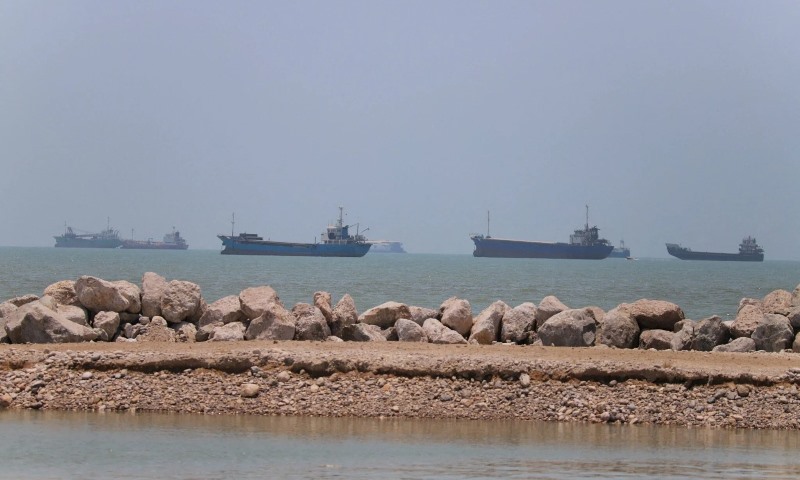
A sharp decline in commercial shipping through the Strait of Hormuz has raised fresh concerns over global energy security and its potential impact on India. According to LSEG shipping data, only four commercial vessels transited the strategic waterway on Sunday, compared with eight vessels the previous day, reflecting the growing disruption caused by escalating military tensions between the United States and Iran in West Asia.
The Strait of Hormuz is the world’s most critical energy chokepoint, handling nearly 20 per cent of global oil consumption and a significant share of international liquefied natural gas (LNG) trade. Although a single day’s slowdown does not constitute a supply crisis, economists warn that if disruptions continue for several weeks, the consequences could be severe for energy-importing nations such as India.
India’s Energy Imports at Risk
India imports more than 85 per cent of its crude oil requirements, with a large portion sourced from Gulf nations including Iraq, Saudi Arabia, the United Arab Emirates and Kuwait. Most of these shipments transit through the Strait of Hormuz.
A prolonged reduction in tanker movements would create logistical bottlenecks, increase waiting times, push up freight and insurance costs, and tighten global oil supplies. Brent crude prices have already climbed to around USD 91 per barrel, with analysts cautioning that prices could exceed USD 100 per barrel if Gulf exports remain constrained.
Although India has significantly increased crude imports from Russia in recent years, Gulf producers continue to remain key suppliers, leaving the country exposed to disruptions in the region.
LNG Supplies Under Pressure
The slowdown has also affected LNG shipments. LSEG data indicates that no LNG tanker has crossed the Strait of Hormuz since Thursday.
Qatar, one of India’s major LNG suppliers and among the world’s largest exporters, ships nearly all of its LNG through the Strait. Any sustained disruption could tighten supplies and increase LNG prices, affecting city gas distribution companies, power producers, fertiliser manufacturers and industrial consumers.
Fertiliser Costs May Increase
Higher natural gas prices would directly impact India’s fertiliser sector, as natural gas is the primary feedstock for urea production. Rising production costs may compel the government to increase fertiliser subsidies or pass on part of the additional costs to the agriculture sector, placing further pressure on public finances.
Freight and Insurance Costs Expected to Rise
Even if oil and gas exports continue, shipping costs are expected to increase substantially. War-risk insurance premiums for vessels operating in the Gulf generally surge during periods of geopolitical instability. Shipping companies are also likely to demand higher freight rates to offset operational risks and delays.
The increased transportation costs would eventually be reflected in higher prices for crude oil, petrochemicals, chemicals and other imported commodities.
Inflationary Pressures Could Return
Higher energy prices have historically been a major driver of inflation in India. Increased crude prices raise transportation costs across the economy, pushing up prices of manufactured goods and services. Higher LNG and fertiliser costs could also contribute to food inflation over time.
While the government may attempt to cushion consumers through fuel tax adjustments or by asking state-owned oil marketing companies to absorb part of the increase, a prolonged period of elevated crude prices would eventually feed into retail inflation.
RBI’s Policy Flexibility May Narrow
A sustained rise in oil prices would widen India’s current account deficit by increasing the import bill, putting pressure on the rupee and further adding to imported inflation.
If inflation moves significantly above the Reserve Bank of India’s target, the central bank may have limited room to reduce interest rates or maintain an accommodative monetary policy despite slowing economic growth. The RBI may also need to intervene more actively in the foreign exchange market to stabilise the rupee.
India Better Prepared, But Risks Remain
India enters the current crisis with stronger safeguards than during previous Gulf conflicts. The country has expanded its strategic petroleum reserves, diversified crude sourcing through increased imports from Russia and maintains robust foreign exchange reserves to absorb short-term external shocks.
However, experts caution that these buffers would not fully offset the economic impact of a prolonged disruption in the Strait of Hormuz. If vessel traffic remains severely restricted for an extended period, the effects could extend beyond global shipping, significantly impacting India’s energy security, inflation, government finances and monetary policy.