
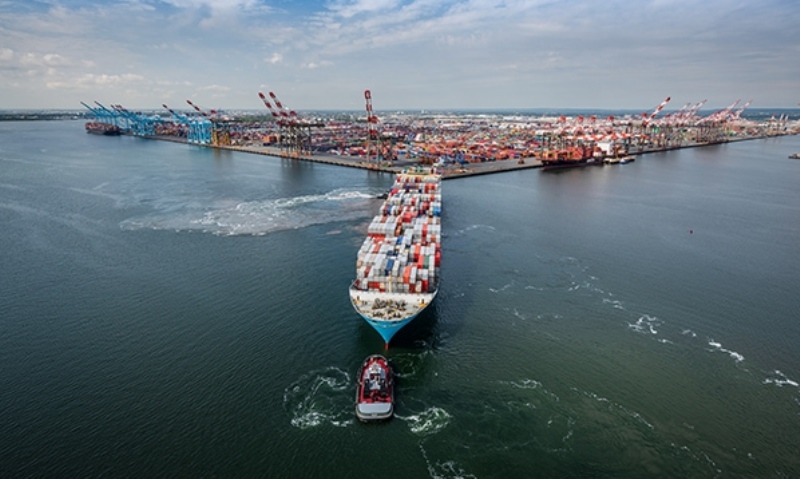
Port Authority of New York and New Jersey handled 2.17 million TEUs during the first quarter of 2026, reflecting steady cargo activity across one of the busiest container gateways in the United States.
Port officials said container throughput remained supported by resilient consumer demand, diversified trade flows, and continued cargo movement through major East Coast shipping routes. The performance also highlights the port’s role as a critical logistics hub for transatlantic and Asia–US trade.
Industry analysts noted that stable import volumes, ongoing infrastructure investments, and improved terminal operations helped maintain cargo efficiency despite global shipping disruptions and changing trade patterns.
The port authority has continued expanding capacity and modernising infrastructure through projects focused on rail connectivity, terminal upgrades, roadway improvements, and sustainability initiatives aimed at supporting long-term cargo growth.
Shipping and logistics stakeholders said East Coast ports, including New York and New Jersey, have benefited from evolving supply chain strategies and vessel routing adjustments linked to congestion and security concerns in other global trade corridors.
Officials added that the port remains focused on enhancing cargo handling capabilities, improving turnaround times, and supporting future trade growth as container volumes continue to fluctuate in response to economic and geopolitical conditions.