
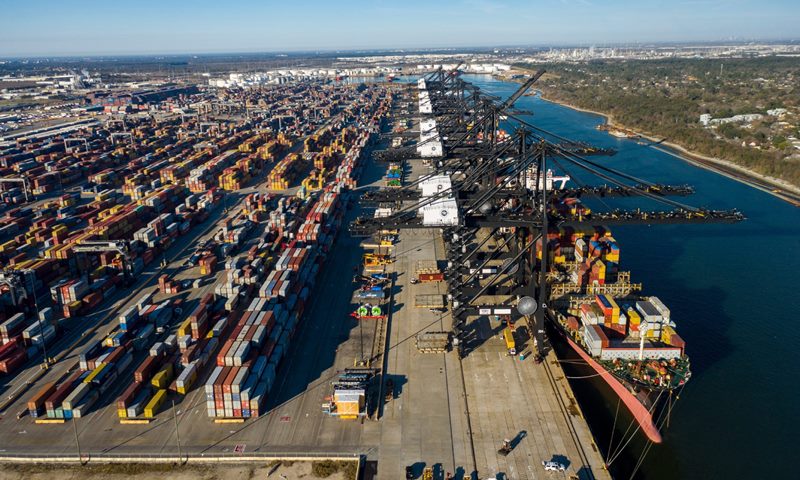
Port Houston has reported a 5 per cent increase in vessel activity, reflecting steady growth in maritime traffic and continued strength in regional trade flows through one of the United States’ key Gulf Coast ports.
The rise in vessel calls highlights improving cargo movement across container, bulk, and energy-related shipments, supported by stable demand from domestic and international markets. The port continues to play a central role in facilitating trade for industries including manufacturing, petrochemicals, energy, and consumer goods.
Officials noted that the increase in vessel activity indicates resilient supply chain performance despite ongoing global trade uncertainties and fluctuating freight market conditions. Enhanced operational efficiency and infrastructure capacity have also supported the port’s ability to accommodate higher traffic levels.
Port Houston handles a significant share of containerized and liquid bulk cargo in the region, serving as a major gateway for trade between the United States and global markets, particularly Asia, Europe, and Latin America. Its strategic location along the Gulf Coast makes it a critical hub for energy exports and import distribution.
Industry observers point out that steady growth in vessel movements is often linked to broader economic activity, including industrial production, retail demand, and export competitiveness. Continued investments in port infrastructure and channel improvements have also contributed to improved throughput capacity.
The port has been focusing on modernization initiatives, including terminal upgrades and logistics efficiency enhancements, to support long-term growth in cargo volumes and vessel traffic. These efforts are aimed at strengthening its position as one of the most important maritime gateways in North America.
With the latest increase in vessel activity, Port Houston continues to demonstrate stable operational momentum, reinforcing its role in global supply chains and regional economic development.