
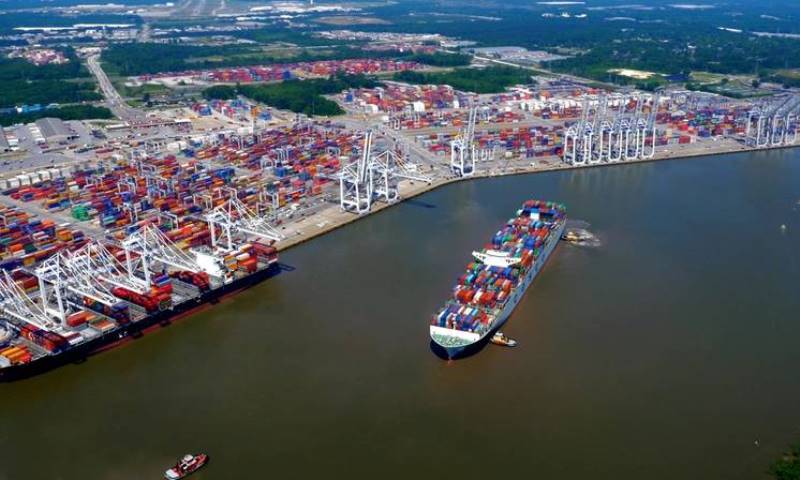
Port of Savannah reported a 2.5% decline in container volumes through April, reflecting softer cargo flows and shifting trade conditions across key import and export markets.
Port data indicated that the slight contraction was driven by fluctuating demand in retail and industrial shipments, along with ongoing adjustments in global supply chains. While overall throughput remained strong, volumes were marginally lower compared with the same period last year.
Port authorities said operational efficiency and terminal capacity remained stable despite the decline, with continued investments in infrastructure and logistics systems supporting long-term growth. The port remains one of the busiest container gateways in the United States, handling a wide range of cargo including consumer goods, machinery, automotive parts and agricultural exports.
Industry analysts noted that U.S. East Coast ports have experienced uneven container performance in recent months due to inventory corrections, changing import patterns and shifting trade routes. Some cargo volumes have also been redistributed across competing gateways depending on shipping schedules and freight rates.
Despite the dip, the Port of Savannah is expected to maintain its strategic role in transatlantic and Asia–U.S. supply chains, with future volumes likely to be influenced by seasonal demand trends and broader economic conditions.