
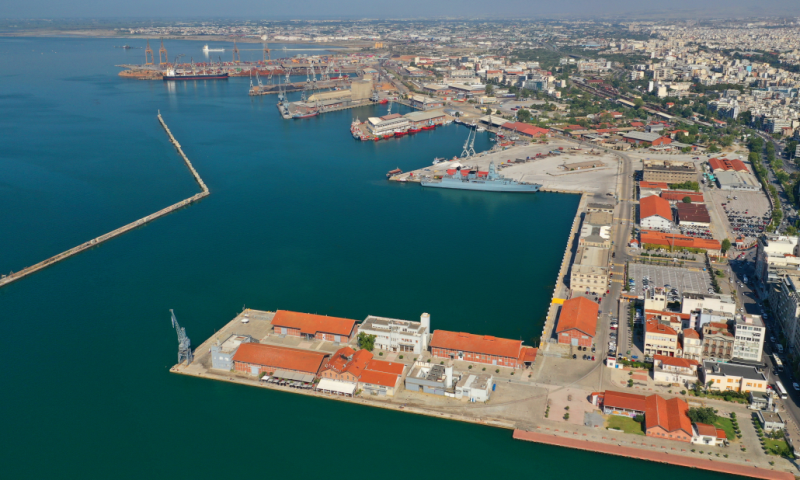
Portsmouth International Port, on the UK’s south coast, is eyeing further growth in the container trade by looking to the needs of the shortsea sector, following a £20m ($26m) funding boost.
The city council approved the cash injection this week, part of more than £30m to be invested in the port over the next 20 years, to bolster handling capacity.
“The investment will be spent on reconfiguring the site to handle more cargo on the quay and provides an opportunity to fund future plans,” a council spokesperson said.
Since Brexit, the port has been promoting itself as an alternative to some of the more well known UK gateways and seen surging volumes.
While still predominate in the fresh fruit arena – for example, until recently one in every two bananas eaten in the UK came through Portsmouth – it has also seen a 65% uptick in box volumes.
Asked how it intends to compete with the likes of Felixstowe, London Gateway and neighbouring Southampton, the spokesperson said the port “offers alternative options to the major ports that generally support larger vessels”.
“We are fully positioned on the south coast to support shortsea shipping routes, with excellent motorway links offering a faster service into the Midlands and London.”
Portsmouth city councillor Steve Pitt claimed damage had been done to the port’s prospects as a consequence of Brexit, in particular the loss of space resulting from the border control posts (BCPs) that had to be built but which have subsequently seen little to no use.
“Changes to BCP implementation and planning delays for the development of an aggregates terminal all contributed towards an estimated £12m in lost revenue over five years,” said Mr Pitt.