
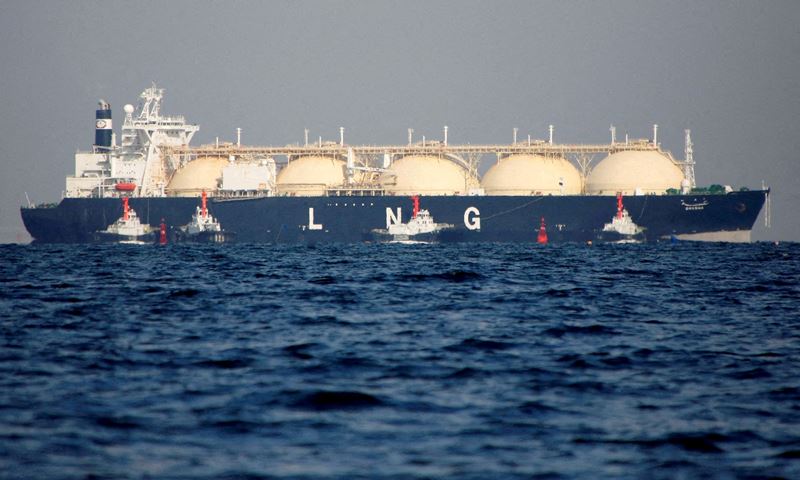
India’s energy landscape faces significant disruption after Qatar halted liquefied natural gas (LNG) production in response to escalating tensions in the Middle East, raising fresh concerns over energy security for the South Asian nation.
Impact on Indian Supplies:
Qatar is India’s largest supplier of imported LNG, accounting for around 40 % of the country’s nearly 27 million tonnes annual imports. Following attacks on key energy infrastructure, QatarEnergy declared a force majeure on LNG deliveries, leading to supply cuts of up to 40 % for industrial customers and city gas firms.
Industrial and Consumer Strain:
The reduction in supply has forced major Indian energy firms including Petronet LNG Ltd, GAIL (India) Ltd and Indian Oil Corp to adjust allocations to industries and city gas networks. Some industrial users have begun switching to alternative, costlier fuels amid shrinking LNG volumes.
Market Reaction:
India’s dependence on Qatari LNG has also been reflected in market movements, with shares of Petronet LNG falling sharply after the production halt was reported, highlighting investor concern over near-term supply risks.
Wider Energy Tightness:
The suspension of Qatar’s LNG output follows regional conflicts that have hindered transit through the strategic Strait of Hormuz — a key chokepoint for global oil and gas shipments — compounding risks to energy supplies and pushing up global fuel costs.
Government and Industry Response:
Energy officials and market participants are now exploring alternatives, including sourcing additional LNG cargoes from spot markets and diversifying import partners, although higher global gas prices and limited immediate alternatives pose challenges.
The situation underscores India’s vulnerability to geopolitical disruptions in energy supply chains and highlights the need for broader diversification of energy sources to safeguard long-term stability.