
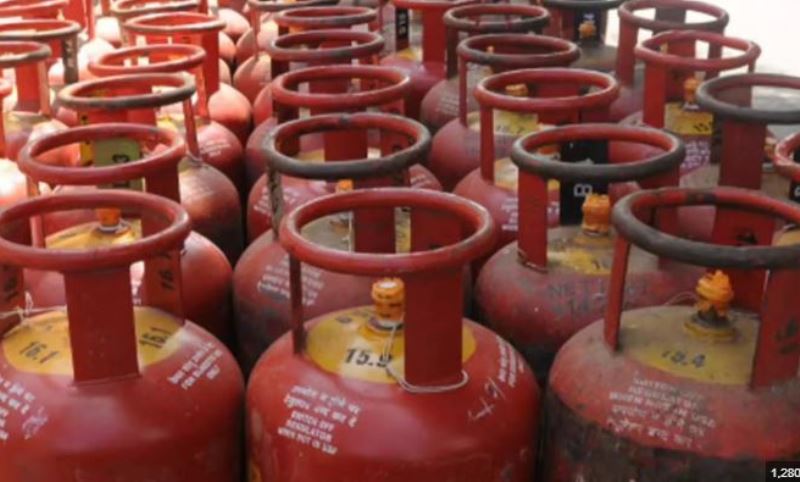
India’s liquefied petroleum gas (LPG) import landscape witnessed a notable shift during the March–May 2026 period, with the United States expanding its share of supplies while traditional exporters from West Asia saw their market presence decline.
The change in sourcing patterns reflects India’s ongoing efforts to diversify energy imports and reduce dependence on a single region amid geopolitical uncertainties and evolving global trade dynamics. Increased LPG shipments from the United States helped offset lower volumes from several West Asian suppliers during the three months.
Industry analysts attribute the trend to competitive pricing of US cargoes, abundant export availability, and India’s growing preference for sourcing LPG from multiple regions to enhance energy security. Rising exports from the United States have strengthened bilateral energy trade ties and provided Indian importers with greater flexibility in procurement strategies.
West Asia has historically dominated India’s LPG import market due to geographic proximity and established supply relationships. However, changing market conditions, freight economics and supply considerations have enabled US exporters to capture a larger share of India’s import demand.
India remains one of the world’s largest LPG consumers, with imports playing a crucial role in meeting domestic demand for household cooking fuel, commercial applications and industrial use. State-run refiners and energy companies continue to monitor global market developments to secure reliable and cost-effective supplies.
The shift comes at a time when energy markets are adjusting to ongoing geopolitical tensions and changing trade flows. Importers are increasingly focusing on supply diversification strategies to mitigate risks associated with regional disruptions and price volatility.
Market participants expect the United States to remain a key LPG supplier to India in the coming months, particularly if competitive pricing and export availability continue. Meanwhile, West Asian producers are expected to maintain a significant presence in the Indian market, supported by long-standing trade relationships and logistical advantages.
The evolving import mix highlights India’s broader strategy of balancing energy security, supply reliability and cost efficiency while meeting the country’s growing demand for cleaner cooking and industrial fuels.