

From shifting trade routes to bold green initiatives and geopolitical turmoil, 2024 has been nothing short of transformative for the maritime industry. As the year comes to a close, we’re taking a look back at the maritime moments that defined 2024—some turbulent, some triumphant, but all making waves in the world of shipping:
The Red Sea’s Year of Turmoil: One Year After the Galaxy Leader Hijacking

The Houthi rebels claim their attacks are acts of solidarity with Palestinians in Gaza, linking the crisis to the broader fallout of the Israel-Hamas conflict. Their campaign of drone and missile strikes has paralyzed commercial shipping in the region, driving a 60% plunge in Suez Canal traffic as operators detour around the Cape of Good Hope. The economic costs are staggering: Egypt has lost an estimated $7 billion in Canal revenue—equivalent to the total cost of Somali piracy at its peak in 2011—while rerouted shipping has driven up costs, extended transit times, and increased greenhouse gas emissions.
The disruption was particularly significant in container shipping, where it helped offset a record influx of new vessels and, coupled with unexpectedly strong demand, drove the sector to massive profits despite higher costs of rerouting.
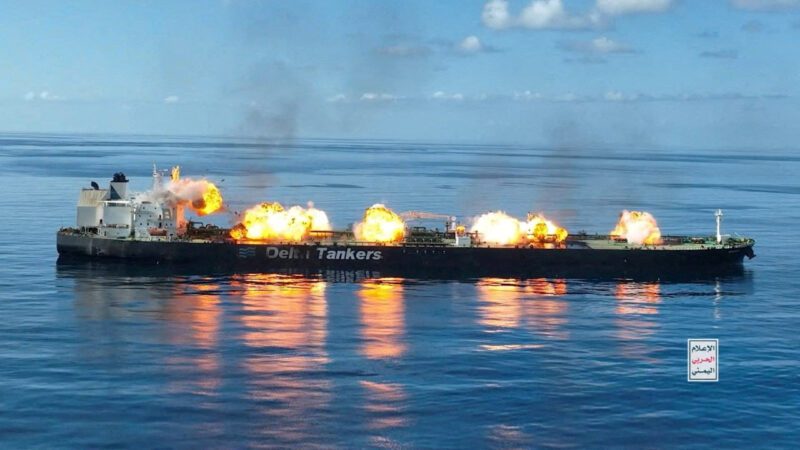
International responses have ranged from U.S. and UK defensive strikes to naval operations like the U.S.-led Operation Prosperity Guardian and the EU’s Operation ASPIDES. However, these efforts have been hampered by advanced Iranian-supplied weaponry, which continues to complicate mitigation efforts.
Now, more than a year later, Galaxy Leader hijacking has become a grim symbol of how commerce and geopolitics intersect in the world’s vital waterways. As the Houthis escalate attacks on Israel and retaliatory strikes intensify, the conflict is now poised to spill into 2025. The Red Sea crisis underscores the urgent need for coordinated global action to secure maritime corridors and protect seafarers—before the situation spirals further out of control.
Russia’s Shadow Fleet: A Sanctions Evasion Juggernaut

While the G7-led Price Cap Coalition has maintained a price cap on Russian oil and oil products since December 2022, Russia has leaned heavily on its shadow fleet to bypass expanding Western sanctions and oversight. By 2024, this clandestine network had swelled to hundreds of ships, enabling Moscow to continue exporting oil to key partners like China, India, and Turkey. The fleet’s expansion has also extended to LNG carriers, particularly those tied to the Arctic LNG 2 project, which faces heavy Western sanctions.
In response, the UK, EU, and U.S. have blacklisted over 100 vessels and sanctioned hundreds of individuals and entities linked to the fleet’s operations. However, the shadow fleet’s growth poses significant risks, including a heightened chance of accidents and oil spills from these minimally regulated vessels.
Despite intensified sanctions and safety concerns, Russia continues to exploit loopholes in global trade, highlighting the complexities of enforcing maritime compliance and preserving sanctions integrity in the face of determined evasion.
South China Sea: Tensions Boil Over

This year’s developments underscored China’s strategic ambitions: control critical maritime routes and resources while countering U.S. and allied efforts to uphold a rules-based regional order. The resulting clashes have spotlighted the limitations of diplomatic and legal mechanisms in resolving the conflict, leaving smaller nations vulnerable and the broader international community at an impasse.
For the global maritime industry, the stakes are high. The escalating tensions threaten not only the security of vital trade routes but also the stability of the region’s economic lifelines. As 2024 closes, the South China Sea remains a flashpoint demanding vigilance and strategic foresight to navigate the growing storm.
Tensions Surge After MSC Aries Seizure
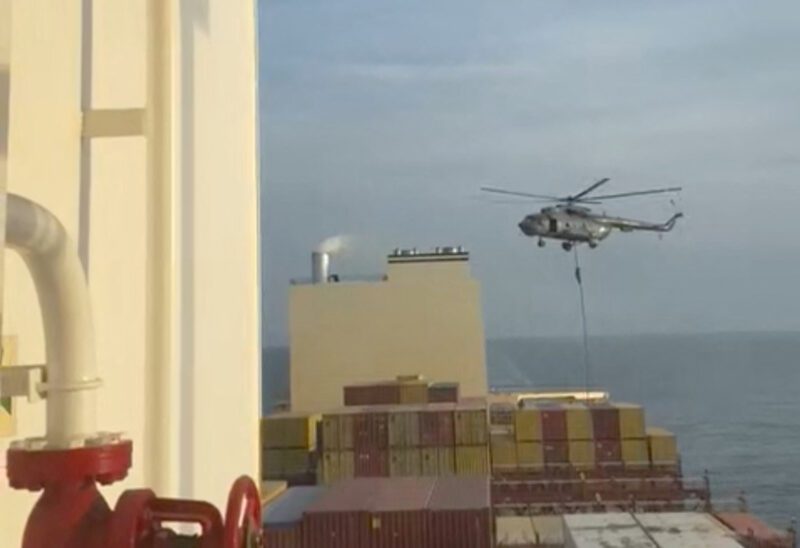
The incident sent shockwaves through global trade, heightening fears of disruptions at the Strait of Hormuz—a vital artery for global oil and energy supplies. The seizure also spurred Western nations to ramp up efforts against Iran’s destabilizing activities in the region.
Following an October 2024 attack on Israel, Western sanctions against Tehran reached new levels of intensity. The U.S., UK and EU have zeroed in on Iran’s shadow fleet of tankers and its network of facilitators, aiming to dismantle the regime’s ability to covertly transport crude oil. These clandestine operations generate billions in revenue, fueling Iran’s nuclear ambitions and supporting proxy groups like the Houthi rebels.
With tensions escalating, the Strait of Hormuz remains a volatile flashpoint, underscoring the precarious balance between geopolitical strife and global economic stability.
Somali Piracy Makes an Unwanted Comeback
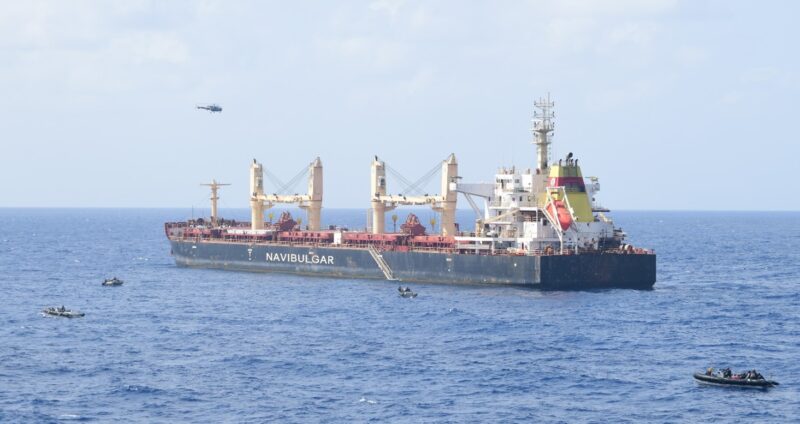
The European Union’s Operation ATALANTA has tracked a surge in piracy-related incidents since November 2023, including high-profile hijackings like the MV Ruen and MV Abdullah. The latter’s release came at the cost of a multi-million-dollar ransom, spotlighting the immense risks shipowners face in the region.
The resurgence can partly be traced to the removal of the Indian Ocean High Risk Area designation in January 2023, which led many operators to ease protective measures. Now, with the Indian Ocean’s post-monsoon season offering calmer seas, conditions are primed for even more pirate activity.
As piracy makes an unwelcome return, the maritime industry faces mounting pressure to revisit its security protocols. For shipowners and seafarers alike, the message is clear: complacency is not an option.
Port Labor Standoff: Automation Looms as Key Battleground
Labor disputes took center stage in 2024, with the U.S. East and Gulf Coast ports grappling with a high-stakes contract conflict between the International Longshoremen’s Association (ILA) and the United States Maritime Alliance (USMX). A three-day strike in October paralyzed container and roll-on/roll-off ports, ending only after a tentative agreement secured a wage increase and a contract extension until January 15, 2025. However, the thorny issue of automation remains unresolved, leaving both sides deeply divided as the new deadline looms.
The standoff’s implications are vast, touching on port efficiency, labor relations, and even national security. While President Biden refrained from invoking the Taft-Hartley Act to end the strike, he urged port employers—many of which are foreign-owned shipping companies—to offer better terms. Meanwhile, President-elect Trump has taken a staunchly pro-labor stance, opposing port automation and framing it as a threat to American jobs.
As the January deadline approaches, the maritime industry braces for potential disruption, with the stakes higher than ever for labor, port operators, and global trade alike. Whether the two sides can strike a deal or face further turmoil remains the pressing question for 2025.
Panama Canal Bounces Back, but Climate Concerns Loom
After a historic 2023 drought wreaked havoc on global shipping, the Panama Canal made a remarkable recovery in the latter half of 2024. Improved rainfall during the wet season replenished the waterways fresh-water reservoirs, which had been at multi-decade lows, allowing the canal to ease restrictions on vessel drafts and daily transits.
The return to near-normal operations was a welcome reprieve for global supply chains, with the canal resuming its role as a vital artery for maritime trade. However, canal authorities remain cautious, emphasizing the urgent need for long-term water management strategies to shield the waterway from future climate risks.
While 2024 brought relief, it also underscored the vulnerability of critical maritime chokepoints to climate change. The year’s challenges have amplified calls for investment in canal infrastructure and alternative shipping routes, as stakeholders seek to fortify global maritime networks against an uncertain future.
Catastrophe in Baltimore: The M/V Dali and the Collapse of the Key Bridge
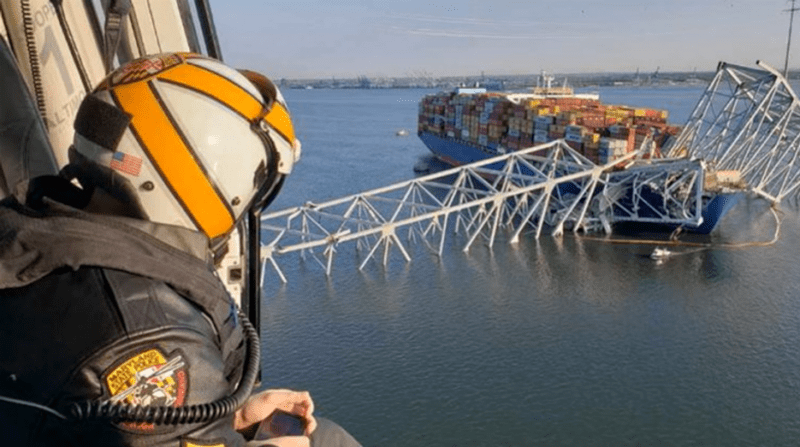
A preliminary NTSB investigation revealed the vessel had suffered two prior power blackouts in the 24 hours before the accident. One blackout stemmed from a crew member inadvertently blocking the generator’s exhaust gas stack, while another resulted from insufficient fuel pressure. Compounding these issues was the unexpected tripping of critical breakers, raising concerns about the ship’s electrical reliability and maintenance protocols.
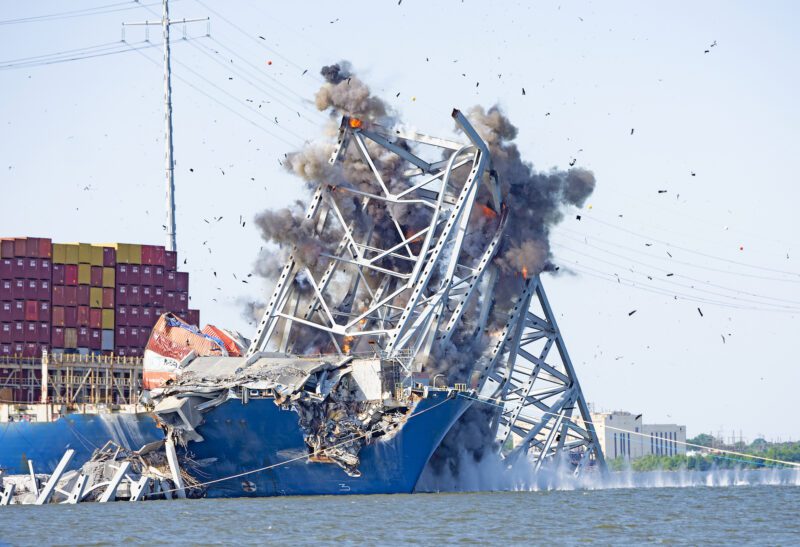
The Key Bridge collapse not only disrupted regional commerce but also spotlighted critical questions about vessel maintenance, operational safety, and infrastructure vulnerability in high-traffic waterways.
LNG Becomes Maritime’s Mainstream Maverick
Liquefied Natural Gas (LNG) has sailed ahead as the maritime industry’s favorite alternative fuel in 2024, leaving greener competitors like green methanol, hydrogen, and ammonia struggling to keep up. Despite debates about its long-term environmental credentials, LNG adoption is growing at a pace that few predicted.
This year saw LNG-powered vessels surge past 600 globally—an astronomical leap from just 21 ships in 2010. These vessels now account for over 2% of the global fleet, and with robust orderbooks, that figure is expected to double by vessel count and triple by deadweight tonnage in the coming years.
Even A.P. Moller-Maersk, long a green-fuel evangelist, hopped on the LNG bandwagon. In a major 2024 pivot, the company announced a fleet modernization program to include 50-60 dual-fuel vessels, primarily gas. It’s a move that signals a pragmatic shift from its “green-fuel-only” mantra.
LNG’s appeal isn’t just its market momentum; the fuel boasts a track record of nearly 60 years of safe operations, straightforward transportability, and low environmental risk compared to its alternatives. However, challenges like infrastructure gaps and broader decarbonization ambitions still cast a shadow over its long-term dominance.
For now, though, LNG has anchored itself as the maritime industry’s leading alternative fuel—and 2025 looks like smooth sailing ahead.
Arctic Shipping Heats Up
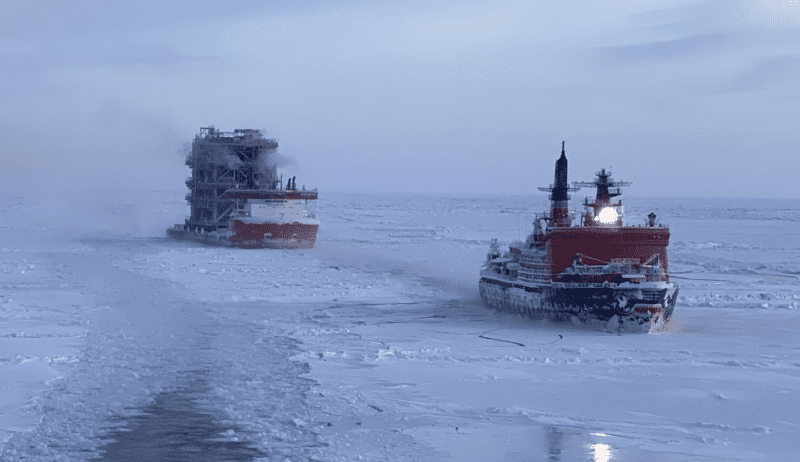
Russia’s Northern Sea Route (NSR) experienced a near 50% jump in transit cargo compared to 2023, with 97 transits moving nearly 3 million tonnes of goods. Overall cargo along the NSR, including domestic Russian traffic, hit a record 40 million tonnes. Trade between Russia and China dominated the route, with China importing 1.9 million tonnes of crude oil via Arctic waters, marking a 30% year-on-year increase.
However, Novatek’s flagship Arctic LNG 2 project faced significant setbacks. Following its delayed launch in August, Western sanctions forced the project to halt operations in October, leaving all cargoes stranded—unable to find buyers.
China also expanded its Arctic ambitions, deploying three icebreakers to the region for the first time and achieving a milestone by navigating Panamax container vessels along the NSR, some passing within 750 nautical miles of the North Pole.
Meanwhile, Russia relied heavily on its nuclear icebreaker fleet to sustain Arctic operations, while the U.S. grappled with aging infrastructure. To address gaps, the U.S. Coast Guard acquired the commercial icebreaker Aiviq, but delays in the Polar Security Cutter program raised concerns about American Arctic capabilities. In response, the U.S., Canada, and Finland announced the ICE Pact, a trilateral initiative to co-develop polar icebreakers and enhance Arctic security and shipbuilding capacity.
As China and Russia deepen their Arctic collaboration, the U.S. Pentagon has raised alarms over their growing alignment in this geopolitically critical region. The Arctic’s role as both a trade hub and a strategic hotspot is cementing its place at the center of global attention.
Baltic Sea Sabotage
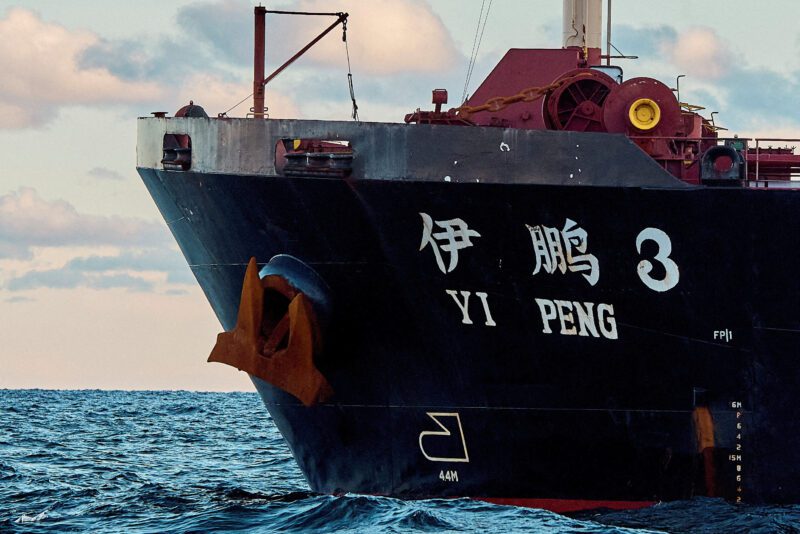
The latest incident occurred on Christmas Day 2024, when the Estlink 2 power cable linking Finland and Estonia, along with four data cables, was damaged. Authorities have detained the Russian-linked tanker Eagle S, suspected of causing the damage by dragging its anchor.
This follows a November 2024 disruption where two fiber-optic cables connecting Lithuania-Sweden and Finland-Germany were severed. The Chinese vessel Yi Peng 3, with links to Russian intelligence, is under investigation for its suspected role in these incidents.
In October 2023, the Balticconnector gas pipeline between Finland and Estonia, along with nearby telecom cables, was damaged. Investigators flagged another Chinese vessel, the NewNew Polar Bear, as a suspect in that case. The pattern of sabotage traces back to the September 2022 Nord Stream pipeline explosions, which severely damaged three pipelines connecting Russia and Germany. German authorities have since issued an arrest warrant for a Ukrainian suspect linked to those blasts.
These incidents have spurred heightened security measures and increased international collaboration across the Baltic region. With geopolitical tensions running high, the Baltic Sea’s vital infrastructure has become a focal point in a shadowy battle for maritime dominance.
Trump’s Return

With weeks until his inauguration, Trump has already taken decisive stances, siding with the International Longshoremen’s Association in its labor standoff against foreign port operators. He’s labeled semi-automated cranes a threat to American jobs, signaling staunch opposition to port automation.
Trump has also doubled down on support for the Jones Act, reinforcing his commitment to keeping U.S. maritime transport firmly in American hands. Meanwhile, his fiery criticism of Panama Canal tolls—calling them a “rip-off”—has raised tensions, with Trump even hinting at reclaiming control of the canal if fees aren’t reduced. Given that 6% of global trade flows through this critical chokepoint, Panama’s swift rebuttal signals potential friction ahead.
Adding to the uncertainty are Trump’s proposed tariffs on Canada, Mexico, China, and BRICS nations, which threaten to further disrupt global trade routes already strained by supply chain challenges.
As the maritime industry braces for what’s to come, 2025 promises to be a year of seismic shifts in shipping, labor relations, and global trade. Hold steady—stormy seas lie ahead.
Looking Towards 2025
This year highlighted both the resilience and challenges of the global maritime industry. As we look ahead, these stories will continue to shape the future of shipping, with innovation, security, and sustainability driving the sector into uncharted waters.