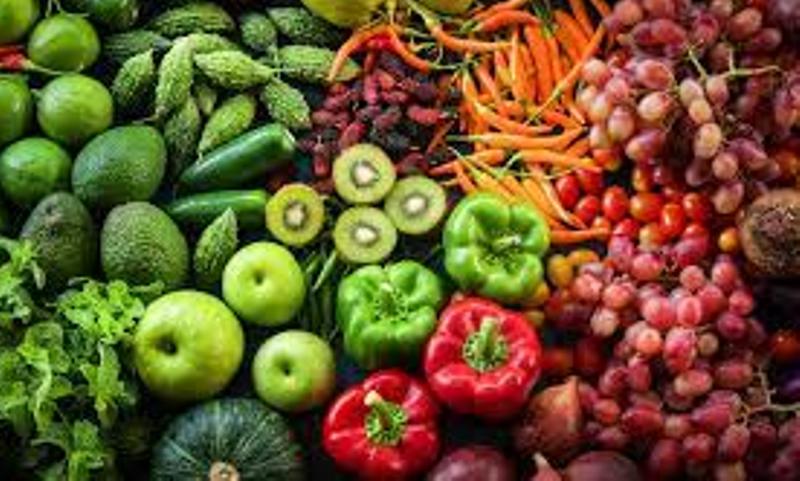
Every minute counts for exporters of perishables like fruits, vegetables, seafood, and pharmaceuticals. Burdened for years by manual processes, redundant paperwork, and unpredictable clearance times, India’s perishable exports often faced costly delays and quality risks. But that’s changing.
With new reforms, CBIC has finally cleared the runway for time-sensitive goods. Whether fresh produce or critical medicines, perishables now move faster, cost less, and benefit from improved cold chain integrity. This shift is redefining India’s logistics landscape and strengthening its ambition to become a global air cargo hub.
Here’s how India is making perishables fly fresher and faster than ever.
On April 24, 2025, CBIC implemented sweeping reforms via Notification No. 30/2025-Customs (N.T.), simplifying and speeding up perishable exports. Key measures in the reform include waiving transhipment permit fees, simplifying customs protocols, and allowing temporary removal of Unit Load Devices (ULDs) outside customs areas under a harmonised procedure.
The result? A more agile, predictable, and cost-efficient supply chain, especially at busy hubs like Bangalore (BLR) Airport.
“With faceless assessments, digitized documentation, and pre-arrival processing, exporters now enjoy reduced dwell times and faster cargo movement — crucial for temperature-sensitive shipments,” said Arun Chandra, Vice President of Aviation Business at BIAL. “For BLR Airport, which handles large volumes of agri and pharma cargo, these changes boost operational predictability and reinforce India’s position in global perishable supply chains by ensuring quicker timeto-market and less spoilage.”
Impact on Speed and Cost
- Transhipment permit fees are waived, removing delays for inter-terminal cargo movement critical for perishables.
- Simplified ULD (Unit Load Device) handling with a single continuity bond aligns with international norms and cuts turnaround times.
- The All-India National Transhipment Bond replaces port-specific bonds with a unified framework, enabling seamless cargo flow across customs stations.
- Streamlined customs protocols with faster screening, digital processes, and pre-arrival clearance preserve freshness and reduce bureaucracy.
- Permit fees eliminated and fewer bonds lower logistics and compliance costs, benefiting exporters, especially MSMEs.
- Reduced barriers allow smaller exporters to compete globally, boosting high-value agri and seafood exports.
These reforms align with the Union Budget 2025–26’s trade facilitation goals — India isn’t just exporting perishables better; it’s competing smarter.
Reforms through Technology and Digitalisation
Building on the operational reforms, tech-enabled ULDs with real-time tracking and environmental monitoring revolutionise cold chain management. These smart containers provide continuous visibility into temperature, humidity, and cargo location, enabling quick responses to any disruptions and preserving product integrity.
Arun Chandra explains, “The adoption of tech-enabled ULDs with real-time tracking and monitoring significantly upgrades cold chain management.
Increasingly used for pharmaceuticals, seafood, and floriculture, these devices offer end-to-end visibility and ensure rapid reaction to deviations. Such technology is becoming a standard expectation, driven by regulatory and customer demands for transparency and quality control, aligning Indian air cargo with
global best practices.”
On the other hand, digitisation through ICEGATE has been crucial in speeding clearances and cutting manual intervention for perishables. Features like eSanchit for document uploads, digital duty payments, and automated alerts streamline communication and processing.
Arun Chandra adds, “ICEGATE’s digitisation is transformative, especially for time-sensitive cargo. Integrated with the Airport Cargo Community System at BLR, it allows exporters to track and manage shipments efficiently, significantly reducing procedural delays. This shift toward paperless, tech-driven customs improves transparency, lowers costs, and supports reliable movement of perishables and pharmaceuticals.”
Simplified Multi-Terminal Movement
The All-India National Transhipment Bond marks a breakthrough in handling multi-terminal cargo. It removes the need for multiple port-specific bonds, enabling seamless transhipment across terminals under one customs approval.
As Arun Chandra notes, “This bond simplifies and speeds inter-terminal and inter-port cargo movement, giving freight forwarders and airlines vital operational flexibility. It enhances routing efficiency, supports multimodal logistics, and empowers airports as consolidation hubs — perfectly aligning with India’s National Logistics Policy and global air cargo ambitions.”
A Look Back: Challenges Before the Reforms
Previously, perishable air cargo faced major hurdles — multiple transhipment permits and fees caused delays, cumbersome ULD handling increased turnaround, and fragmented bonds slowed clearance. Manual processes, inconsistent timelines, and limited 24×7 infrastructure compromised cold chain integrity and raised costs.
Arun Chandra sums it up, “Perishable cargo faced bottlenecks like manual procedures, inconsistent clearances, and limited round-the-clock processing, causing higher costs and uncertainty. CBIC’s new measures—24×7 customs, automated risk-based clearances, and paperless documentation — directly tackle these issues, shifting India toward an integrated , agile logistics ecosystem aligned with global standards.”
Conclusion
India’s air cargo reforms mark a pivotal moment for the perishable exports sector, unlocking speed, efficiency, and cost savings long overdue. By modernising customs processes, embracing technology, and simplifying multi-terminal cargo movement, India is transforming its logistics ecosystem to meet global standards. These changes not only safeguard the freshness and quality of sensitive goods but also empower exporters—large and small—to compete on the world stage. As the country continues to innovate and streamline its air cargo infrastructure, India is well on its way to becoming a premier global hub for perishable goods, delivering freshness and reliability from farm to foreign markets like never before.
