
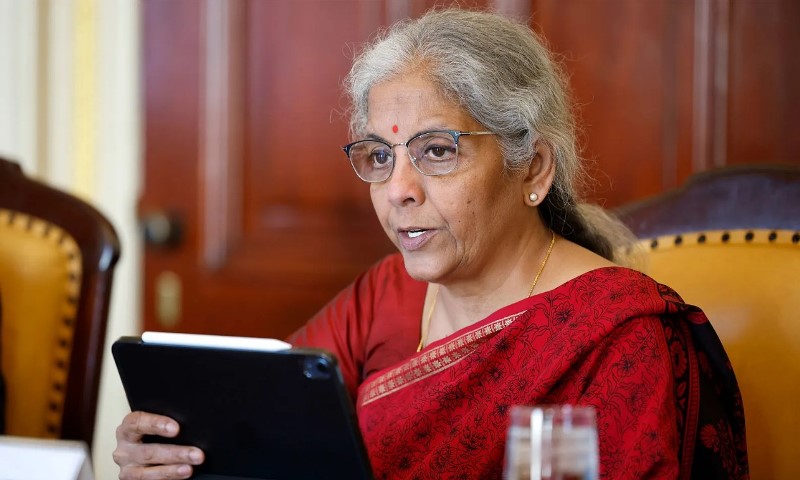
Finance and Corporate Affairs Minister Nirmala Sitharaman has announced that a comprehensive revamp of India’s customs framework will be her next major reform initiative, marking a significant effort to streamline one of the country’s most critical trade touchpoints.
Speaking at the HT Leadership Summit, Sitharaman stressed the need to simplify customs procedures, enhance transparency, and remove bottlenecks that traders often face. “We need to make them a lot more simplified for people to feel that it is not too tiresome or cumbersome for them to comply,” she said, adding that “a complete overhaul of the customs area is on the cards.”
The minister noted that India follows global standards set by the World Customs Organisation (WCO) and is committed to keeping pace with international best practices. Customs authorities regulate the flow of goods across borders — from commercial consignments and vehicles to hazardous materials, livestock, and personal baggage.
Sitharaman highlighted that the government has already reduced several customs duties over the past two years and will reassess items where tariff levels remain higher than optimal. “In those few items where we are still considered to be over the optimal rate, we will have to bring them down as well. So customs is my next big cleaning-up assignment,” she said.
Drawing parallels with earlier tax reforms, she recalled how India’s income tax system had once been burdened by administrative complexities — even giving rise to the term “tax terrorism.” Faceless assessments and digital processes have since led to a much cleaner and more predictable environment. Similar improvements, she said, are needed in customs.
However, she also emphasised that the overhaul must balance ease of trade with robust security, ensuring strong checks against smuggling and illegal goods. Technologies like advanced scanning systems and reduced physical interaction between cargo and customs officers could help minimise discretion and strengthen trust.
Reiterating the government’s reform direction, Sitharaman affirmed that customs modernisation remains a top priority in the broader economic transformation agenda.