
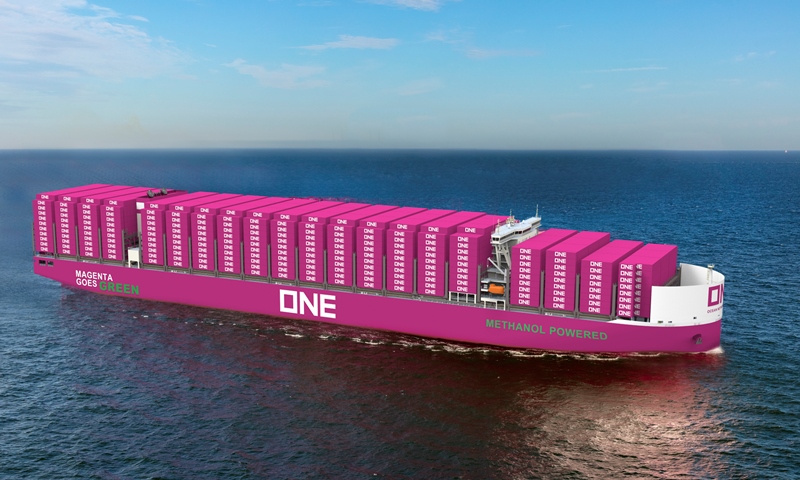
Ocean Network Express (ONE) and Hapag-Lloyd have joined a growing list of shipping lines investing directly in container terminals, signaling a push to strengthen control over cargo handling and improve supply chain efficiency.
The two carriers’ investments are aimed at enhancing terminal capacity, optimizing vessel turnaround times, and reducing congestion in key ports. Analysts note that this trend reflects a broader shift in the shipping industry, where carriers increasingly seek greater control over terminal operations to support faster, more reliable services for their customers.
Strategic Moves in Terminal Operations
ONE has confirmed plans to expand its stake in select Asian ports, focusing on automated and semi-automated container handling facilities. Hapag-Lloyd is similarly targeting European and North American terminals to secure dedicated berths for its growing container fleet.
Industry observers say such investments allow carriers to better align port infrastructure with their operational schedules, reduce dependency on third-party terminal operators, and increase operational resilience during periods of high cargo demand.
Broader Industry Implications
The move is part of a larger trend among global shipping lines, including Maersk and MSC, which have been acquiring stakes in terminals worldwide. This integration could reshape competitive dynamics in global container logistics, potentially leading to improved service reliability but also raising questions about market concentration.