
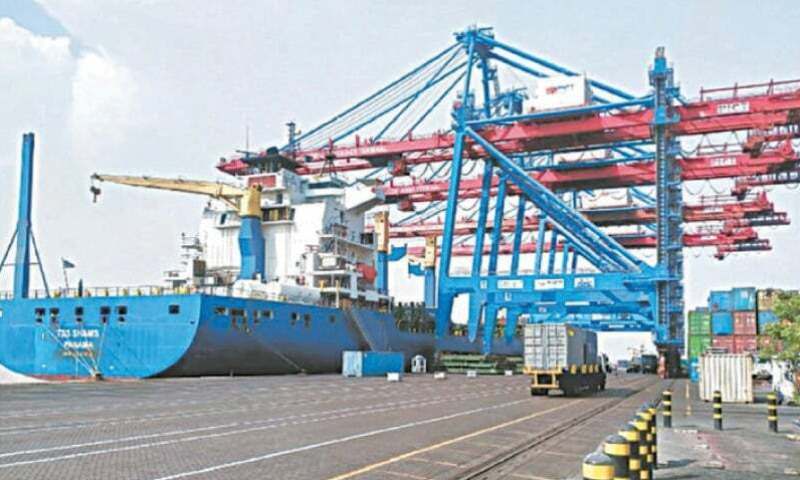
Sea Link has moved to take control of Pakistan International Container Terminal (PICT), marking a significant development in Karachi’s port sector and signaling potential changes in the country’s container handling landscape. The proposed transaction is expected to strengthen Sea Link’s presence in maritime logistics and terminal operations.
PICT operates one of the key container terminals at Karachi Port, serving as an important gateway for Pakistan’s import and export trade. Control of the terminal would provide Sea Link with strategic access to growing cargo volumes and a central role in supporting regional supply chains.
Industry observers say the move could pave the way for fresh investment in terminal infrastructure, operational efficiency, and technology upgrades aimed at improving turnaround times and handling capacity. Enhanced competitiveness at Karachi Port may also help attract additional shipping line services.
The transaction remains subject to regulatory approvals and customary procedures. If completed, the deal would underscore increasing investor interest in South Asia’s port and logistics assets amid rising trade demand and regional connectivity initiatives.