
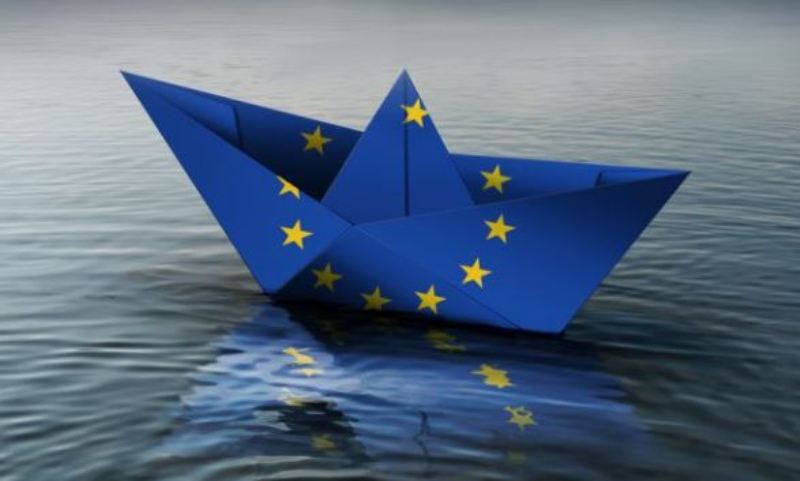
India and the European Union have successfully concluded negotiations on a comprehensive Free Trade Agreement (FTA), marking a major milestone in bilateral economic relations after nearly two decades of talks, Commerce Secretary Rajesh Agrawal said on Monday.
“Negotiations have been successfully concluded. The deal has been finalised,” Agrawal said, adding that the agreement is balanced and forward-looking from India’s perspective and will significantly deepen India’s integration with the EU economy, PTI reported.
European Commission President Ursula von der Leyen, who was the Chief Guest at India’s Republic Day celebrations, welcomed the development, saying a strong India contributes to global stability and prosperity. “A successful India makes the world more stable, prosperous and secure, and we all benefit,” she posted on X.
Signing is expected this year
Agrawal said legal scrubbing of the FTA text is currently underway, with both sides working to complete procedural formalities and sign the pact at the earliest. The agreement is expected to be signed later this year and could come into force early next year, subject to approval by India’s Union Cabinet and ratification by the European Parliament.
The formal conclusion of negotiations is expected to be announced at the India-EU Summit in New Delhi on Tuesday, to be attended by von der Leyen and European Council President Antonio Costa, who will hold talks with Prime Minister Narendra Modi.
‘Mother of all trade deals’
Commerce and Industry Minister Piyush Goyal has described the India-EU FTA as the “mother of all trade deals” signed by India, highlighting its scale and strategic importance. Negotiations began in 2007, making it one of India’s longest-running trade talks.
The pact spans 24 chapters covering trade in goods, services and investment, alongside parallel negotiations on investment protection and Geographical Indications (GI).
Boost for labour-intensive exports
The agreement is expected to provide duty-free or preferential access to the EU market for a wide range of Indian exports, especially from labour-intensive sectors such as textiles, chemicals, gems and jewellery, electrical machinery, leather and footwear.
While the EU’s average tariff on Indian goods is around 3.8 per cent, labour-intensive products face duties of nearly 10 per cent. India’s weighted average tariff on EU goods stands at about 9.3 per cent, with higher duties on automobiles, plastics, chemicals and pharmaceuticals. Under a typical FTA framework, both sides are expected to reduce or eliminate duties on over 90 per cent of traded goods and liberalise services trade.
Strategic significance amid global trade disruption
The India-EU FTA gains added importance amid disruptions in global trade due to high tariffs imposed by the United States. With Indian exports facing tariffs of up to 50 per cent in some markets, the agreement is expected to help exporters diversify markets, reduce dependence on traditional destinations and lower reliance on China.
Trade and investment snapshot
India’s bilateral trade in goods with the EU stood at $136.53 billion in 2024-25, with exports of $75.85 billion and imports of $60.68 billion, making the EU India’s largest goods trading partner. Services trade was valued at $83.10 billion, and India recorded a trade surplus of $15.17 billion with the bloc.
The EU accounts for about 17 per cent of India’s total exports, while exports to India represent roughly 9 per cent of the EU’s global shipments.
Part of expanding trade pact network
With the India-EU FTA, the NDA government has now finalised eight major trade agreements since 2014, including pacts with Australia, the UK, Oman, New Zealand, the UAE, the EFTA bloc and Mauritius, reinforcing trade diplomacy as a key pillar of India’s economic strategy.