
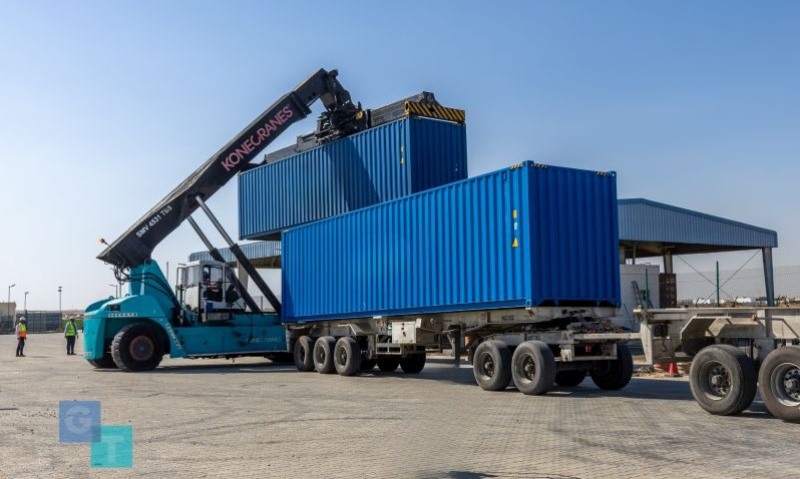
The escalating conflict in the West Asian region has begun to significantly disrupt India’s export trade, with shipping lines demanding contingency surcharges of up to USD 4,000 on 40-foot containers carrying perishable goods and delaying the release of consignments, exporters have said.
Exporters claim that some consignments that had already reached Middle East ports before the US–Israel attacks on Iran on February 28 are still not being delivered, with shipping lines seeking additional charges before releasing cargo.
According to Federation of Indian Export Organisations (FIEO) Director General Ajay Sahai, exporters are facing serious financial strain due to the unexpected demands.
 Ms. Smitha Shetty, Regional Director APAC, Achilles Information Limited, said the developments highlight the vulnerability of global supply chains to geopolitical disruptions.
“The ongoing conflict in West Asia is creating ripple effects across global trade and supply chains. Delays at key transit points, increased freight volatility and unpredictable routing are already affecting businesses that rely on these corridors. In this context, organisations need to strengthen their resilience and review their business continuity plans. Firms with clear visibility into their supply networks and diversified sourcing and logistics strategies will be better positioned to manage disruption and sustain operations. Proactive risk assessment and collaborative engagement with suppliers and partners are essential to navigate the evolving landscape,” she said.
“Before the war started on February 28, the ships had already reached the Middle East ports. However, deliveries are not being made and shipping lines are demanding high surcharges. We have raised the issue with the commerce ministry,” Sahai said.
In response to the emerging situation, the Government of India has formed an inter-ministerial group to assess the impact of geopolitical tensions on the country’s export supply chains.
Exporters argue that such contingency charges should ideally apply only to cargo that has not yet been loaded in India. However, shipping lines have imposed the surcharge broadly, creating uncertainty over who will absorb the additional costs.
The crisis has been compounded by shipping lines temporarily halting bookings for West Asian destinations, further affecting export movement.
Sharad Kumar Saraf, founder chairman of Technocraft Industries India Ltd, said freight rates have already surged significantly.
“Sea freight has increased by nearly 50 per cent, and we are gradually facing a container shortage because several vessels are stranded mid-route,” Saraf said.
He added that diversions through the Cape of Good Hope route could delay shipments further, affecting delivery schedules and increasing costs.
Air cargo is also becoming more expensive due to the conflict. Freight charges on certain airline routes between Kolkata and the Middle East have jumped from around ₹175 per kg to ₹425 per kg, according to exporters.
Sahai warned that the rising logistics costs and supply chain disruptions could impact the competitiveness of Indian products in global markets. The effects of the disruption are expected to reflect in India’s March export data.
India’s exports to West Asian economies stood at USD 58.8 billion in 2024-25, making the region a crucial market for Indian goods. Continued instability could therefore pose a significant challenge to the country’s export momentum.